
Home / Resources
● LOCAL INFORMATION & PUBLIC HEALTH GUIDANCE — RENTON, WA
Rodent Control Resources
Helpful information about mice, rats, rodent prevention, safe cleanup, and public-health guidance for Renton, Washington.
Learn how to recognize signs of rodent activity, reduce conditions that attract rodents, understand cleanup precautions, and find trusted public-health information. These resources are intended to help property owners make informed decisions about rodent concerns across King County.
Independent provider connections · Public health resources provided for education and safety
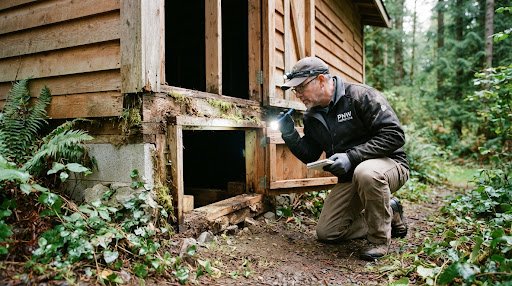
Diagnostic & Public Health Reference
Browse Rodent Control Resources
Structured diagnostic guidelines, entry prevention protocols, and regional safety notices tailored to King County homeowners and property supervisors.
Rodent Identification
Learn about common mice and rats, their identifying features, and how to distinguish possible species in the Puget Sound basin.
Prevention and Exclusion
Explore practical ways to reduce food sources, remove shelter, inspect potential entry points, and limit rodent access permanently.
Safe Cleanup
Understand precautions for handling rodent droppings, urine, nesting material, and decontaminating crawl spaces safely.
Hantavirus Information
Find authoritative information about deer mice, potential exposure vectors, pulmonary symptoms, and when to seek medical attention.
Mice and Rat Control
Learn about signs of active harborage and the professional assessment, trapping, and prevention options an independent provider outlines.
Property-Specific Concerns
Explore resources related to attics, crawl spaces, garages, insulation degradation, and other locations where rodents seek shelter.
Trusted External Resources
Direct citations and official regulatory manuals from Washington State and King County public health departments.
State Agency
Washington State Department of Health — Rodents
Learn how rodents can affect health, how to reduce food and shelter sources, and how to approach cleanup after rodent activity.
Disease Vector
Washington State Department of Health — Hantavirus
Review official information about hantavirus in Washington, deer mouse identification, potential exposure, symptoms, and prevention.
County Public Health
Public Health — Seattle & King County
Find local public-health information about hantavirus, deer mice, possible exposure, and precautions for rodent-infested buildings.
Local Prevention
King County — Preventing Rodents
Learn about reducing rodent attractants, limiting entry into buildings, and knowing when professional pest-control assistance may be appropriate.
Federal Health
CDC — Cleaning Up After Rodents
Review public-health precautions for cleaning areas contaminated by rodent urine, droppings, and nesting materials without spreading airborne pathogens.
Safety & Compliance
U.S. EPA — Rodenticide Information
Learn about rodenticide regulation and safety considerations when chemical rodent-control products are used around children and pets.
Educational Reference Note: External resources are provided for public educational purposes. Their listing does not imply an official partnership, endorsement, or certification of this referral website by King County or Washington State health agencies.
Identify the Rodent You May Be Seeing
Visual markers, physical dimensions, and risk profiles for the primary structural pests encountered in Renton neighborhoods.
House Mouse
Urban / Interior
Physical Size: Small body (2.5–3.5 inches), tail equal to head and body length.
Coloration: Uniform grayish-brown coat with semi-naked tail and prominent ears.
Signatures: 1/8-inch pointed droppings; rapid nibbling along baseboards and pantry bags.
Behavior: Highly curious, nests inside warm insulation and kitchen cabinet cavities.
Deer Mouse
Health Hazard
Physical Size: 2.75–4 inches; distinctive long, furry, bi-colored tail.
Coloration: Tawny brown upper coat with sharp contrast white underbelly and white feet.
Health Relevance: Primary wild carrier of Sin Nombre hantavirus across Washington.
Nesting: Prefers rural outbuildings, crawl spaces, woodpiles, and seldom-used vehicles.
Norway & Roof Rats
Structural
Norway Rat: Stocky (7–9.5″), blunt muzzle, ground burrower, crawls under foundation slabs.
Roof Rat: Slender (6.5–8″), pointed snout, longer tail; agile climber nesting in attics & soffits.
Signatures: 1/2 to 3/4-inch capsule droppings, grease rub marks along wall studs.
Damage: Extensive gnawing on electrical wiring, water lines, and structural beams.
Biological Caution: Physical appearance alone cannot confirm whether an individual rodent carries an active pathogen. Handle all nesting debris with standardized personal protective equipment.
Practical Ways to Reduce Rodent Activity
Actionable field measures recommended by municipal pest contractors to eliminate harborages and block building envelopes in Renton.
Airtight Food Storage
Store food, pet dry kibble, birdseed, and livestock feed in airtight metal or heavy-gauge plastic containers.
Durable Waste Enclosures
Keep household rubbish and organic compost inside tight-lidded, heavy-duty trash bins elevated off damp soil.
Immediate Yard Cleanliness
Clean outdoor food spills, retrieve pet bowls before dusk, and pick up fallen tree fruit immediately.
Eliminate Clutter Havens
Replace corrugated cardboard boxes with sealed plastic totes in attics, crawl spaces, and exterior sheds.
18-Inch Cleared Perimeter
Maintain an 18-inch clear gravel or cut-turf border along foundation walls to eliminate rodent runways and concealment.
Inspect Envelope Gaps
Check utility penetrations, foundation mud sills, and window wells for gaps larger than 1/4 inch.
Hardware Cloth & Sweeps
Install heavy rubber/metal brush door sweeps and screen crawl vents with 1/4″ galvanized hardware mesh.
No Bare-Hand Handling
Never touch wild rodents or dismantle active bird/rodent nesting debris bare-handed without barrier gloves.
Professional Escalation
Engage licensed specialists when internal nesting sounds persist or crawl access points require specialized sealing.
Prevention measures significantly reduce rodent attractants, but established interior colonies require systematic physical exclusion and verified trapping.
Crucial Biological Safety Notice
Before Cleaning a Rodent-Contaminated Area
Dry vacuuming or sweeping rodent droppings aerosolizes virus-laden particulate matter, creating immediate pulmonary inhalation risks. Follow the strict damp-disinfection protocols established by the Washington State Department of Health and CDC.
DO NOT Sweep or Vacuum
Never use brooms or home vacuums on dry droppings, urine trails, or shredded nesting fluff. This kicks hazardous microscopic particles into the room air.
Ventilate 30 Minutes
Open exterior doors and windows to cross-ventilate crawl spaces, attics, or shed storage areas for at least 30 minutes before entering.
PPE Protection
Wear impervious rubber or nitrile gloves and a tight-fitting N95 or P100 particulate respirator mask during all handling phases.
Saturate with 10% Bleach
Spray droppings thoroughly with disinfectant or a 1:10 household bleach-to-water mixture. Let soak 5–10 minutes before wiping with paper towels.
Double-Bag Contaminants
Place wiped debris, paper towels, and spent disposable gloves into a sealed plastic bag, then seal inside a second heavy trash bag for curbside disposal.
Monitor for Flu Symptoms
If fever, fatigue, muscle aches, or sudden shortness of breath develop within 1 to 8 weeks after cleaning, seek immediate medical attention and report rodent contact.
When Is Professional Rodent Assistance Worth Considering?
Homeowners often manage incidental outdoor activity independently. However, specific structural conditions require commercial-grade exclusion equipment, confined-space safety protocols, and licensed technicians:
Repeated sightings or persistent scratching sounds inside insulated walls or ceiling cavities at night.
Suspected colonies nesting inside tight crawl spaces, soffits, or inaccessible attic eaves.
Gnawed electrical wire sheathing, damaged PVC ducting, or shredded fiberglass insulation.
Multiple foundation sill penetrations or dry-rot openings requiring customized steel sheet metal work.
Extensive fecal matter accumulation or persistent decomposition odors in HVAC pathways.
Uncertainty regarding whether deer mice (hantavirus concern) or invasive Norway rats are present.
Independent referral note: Matched contractors determine their own diagnostic inspection protocols, trapping technologies, repair warranties, and project schedules.

Professional Exclusion Insight: Certified field technicians systematically inspect rim joists, crawl space vapor barriers, and foundation vent screening to seal high-risk rodent access routes.
Resources and Rodent Control FAQs
Direct clarifications on municipal guidance, safe sanitization protocols, and the mechanics of our regional referral platform.
Official municipal and regional rodent guidance is published collaboratively by Public Health — Seattle & King County and the Washington State Department of Health (WA DOH). Both agencies provide public directives covering property sanitation, waste management regulations, and residential exclusion standards. Direct citations to their web databases are linked in our Trusted External Resources section above.
The Washington State Department of Health maintains an active communicable disease bulletin tracking Hantavirus Pulmonary Syndrome (HPS). It specifically addresses deer mouse (Peromyscus maniculatus) habitat distribution across Western Washington, typical clinical incubation periods (1 to 8 weeks), early systemic symptoms, and specialized precautions for clearing out abandoned outbuildings or crawl spaces.
First, never sweep or vacuum dry droppings. Ventilate the area for 30 minutes. Wear rubber or nitrile gloves along with an N95 particulate mask. Soak all droppings and urine stains with an EPA-registered household disinfectant or freshly mixed 10% bleach solution (1.5 cups bleach per gallon of water) for 5 to 10 minutes. Wipe with disposable paper towels, double-bag the waste, and scrub adjacent surfaces with damp mop solutions. Wash hands thoroughly with soap afterward.
House mice are small with uniform grayish-brown coats and semi-naked tails. Deer mice have prominent white bellies, white feet, and distinctively bi-colored furry tails. Norway rats are thick, heavy-bodied rodents with short ears and blunt snouts that burrow near foundation lines. Roof rats are slender, agile climbers with large ears and tails longer than their combined head and body.
No. These published materials serve as general educational guidelines and health safety overviews. They do not constitute an architectural inspection or an engineering assessment. Hidden subfloor runways, electrical wire gnawing, and complex structural chimney entry points generally require on-site diagnostic investigation by a licensed contractor equipped with inspection mirrors, thermal cameras, and specialized ladders.
No. Mice Control Renton operates strictly as an independent referral coordination service. We do not dispatch company employees to perform extermination, crawl space insulation extraction, or structural repairs. When you request a connection, our network introduces your project details to an independent, licensed, and insured pest control professional operating within Renton and King County.
No. All government and public-health links (including the CDC, EPA, Washington State Department of Health, and Public Health — Seattle & King County) are strictly independent educational references. Their inclusion does not represent an endorsement, partnership, sponsorship, or official affiliation between these agencies and our private commercial referral portal.
Explore More on Our Website
Quickly navigate to detailed operational workflows, target species guides, and building envelope exclusion manuals.
● FAST KING COUNTY DISPATCH MATCH
Need Help With a Rodent Concern?
Use these resources to understand common rodent concerns and prevention options. If you would like help finding a service provider, submit a request and our referral service can help connect you with an independent provider where coverage is available.
Referral Service Statement: Renton Rodent Control is a referral service that helps connect customers with independent pest-control and related service providers. Inspection, treatment, cleanup, repairs, pricing, scheduling, and service delivery are handled by the provider the customer is connected with. Provider availability and service options may vary across Renton, Kennydale, Fairwood, and broader King County zip codes.
Health Educational Disclaimer: All guidance referenced herein regarding rodent species, zoonotic disease prevention, and cleanup safety is compiled for general educational reference from public sources including the Washington State Department of Health and the Centers for Disease Control and Prevention (CDC). It does not substitute for licensed medical advice or professional hazardous materials remediation.