
● Renton & South King County Referral Network
Rodent Control in Renton, WA: Help With Mice, Rats & Rodent Entry Points
Renton homeowners and property managers experiencing rodent activity can connect with independent pest-control providers for comprehensive on-site inspection, humane removal, chew-proof exclusion sealing, and structural cleanup.
Common Concerns Handled by Local Specialists:
- Scratching, scurrying, or thumping in attics, ceilings, and wall voids
- Mouse or rat droppings found in pantries, basements, or crawl spaces
- Rodents entering through gaps around rooflines, crawl vents, foundations, and garages
- Repeat infestations occurring despite DIY traps and grocery store bait boxes
- Gnawing damage to fiberglass insulation, flexible ductwork, and structural wiring
A referral resource connecting South King County residents with local independent rodent professionals. Clear communication, straightforward scopes.
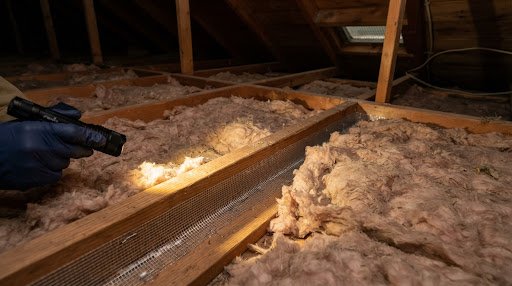
Field Diagnostic Standard
Attic & crawl space structural inspection in Pacific Northwest homes. Verifying wire mesh integrity and identifying thermal rodent tracks.
Highlands to Fairwood coverage
Hardware cloth & steel flashing
Rodent Problems Can Get Worse When Entry Points Remain Open
House mice, roof rats, and Norway rats multiply rapidly under the shelter of climate-controlled residential structures. Without addressing the underlying architectural entry points, exterior rodents from nearby King County greenbelts continually replenish trapped colonies.
Signs of Rodent Activity
Fresh dark droppings in pantries or crawl runs, audible scurrying behind drywall at dusk, chewed food boxes, greasy smudge marks along perimeter baseboards, and persistent ammonia-like odors.
Potential Property Damage
Rodents compress and contaminate blown-in fiberglass insulation, tear through crawl space vapor barriers, chew through flexible HVAC ducts, and introduce significant electrical fire risks by stripping wiring.
Why Entry Sealing Matters
Trapping alone manages numbers inside today. Until external entry gaps as small as 1/4 inch are sealed with heavy-gauge hardware cloth and chew-proof backer, new rodents will continually occupy the vacant territory.
Rodent Problems Need More Than a Temporary Fix
General pest control sprays designed for seasonal ants or spiders do not stop mammalian invaders. Renton’s geographic profile—spanning dense forested ridges like the Renton Highlands down to the low Cedar River plain—fosters both high-climbing roof rats (Rattus rattus) and ground-burrowing Norway rats (Rattus norvegicus).
Each species exploits distinct structural weaknesses. Roof rats use overhead branches to reach architectural soffits, dormer returns, and attic vents. Norway rats exploit foundation settlement cracks, broken crawl vent screens, and sub-slab drainage lines.
Targeted Exclusion Over Chemical Dependency
Independent contractors connected through our network emphasize physical mechanical exclusion rather than indiscriminate indoor poison placement, preventing rodent death inside inaccessible wall cavities.
Species-Specific Behavior
Treatments reflect biology: high-perch attic trapping for roof rats vs. foundation-level run placement for Norway rats and mice.
Comprehensive Inspection
Full structural audit covering roof valleys, gable louvers, foundation vent screens, utility stubs, and garage seals.
Limits of Trapping
Mechanical traps eliminate current interior populations but must be coupled directly with external building envelope sealing.
Long-Term Exclusion
Permanent physical barriers using 1/4″ galvanized steel hardware cloth, metal flashing, and industrial backing mortars.
Sanitization & Deodorization
Neutralizing pheromone trails and biological waste after activity ceases to prevent secondary attraction.
A Clear Process for Addressing Rodent Problems
A systematic, thorough approach used by independent specialists to inspect, trap, seal, and restore residential properties.
Initial Conversation
Describe your property type, observed activity (sounds in walls, droppings in crawl spaces), affected zones, and access constraints to determine baseline urgency.
Outcome: Baseline symptom log & referral match.
Property Inspection
The independent technician inspects critical zones including attics, subfloors, roof intersections, exterior perimeter siding, foundation vents, and utility lines.
Outcome: Identification of active entry points & runways.
Findings & Recommended Plan
Receive a straightforward written breakdown detailing all entry points discovered, proposed exclusion repairs, trapping placement strategy, and upfront itemized pricing.
Outcome: Transparent scope without hidden add-ons.
Rodent Removal
Strategic deployment of snap traps and targeted monitoring hardware inside attics, garages, or crawl paths, tailored to the specific rodent species and the safety of household pets.
Outcome: Rapid depletion of interior colonies.
Exclusion & Entry Sealing
Closing external gaps, repairing foundation screens, sealing HVAC pipe wall entries, and reinforcing structural junctions with chew-proof hardware cloth and sealants.
Outcome: A fortified residential building envelope.
Cleanup & Follow-Up
Assessing soiled insulation, clearing biological droppings safely with sanitizing mists, and conducting scheduled follow-up checks to confirm complete activity cessation.
Outcome: Decontaminated space and confirmed quiet.
Rodent Services for Renton Homes & Properties
Every infestation is different. Independent specialists provide targeted services tailored to the specific infestation stage and structural environment.
Mice Control Renton
Focused trapping, interior food-source isolation, and precision perimeter assessment for house mice and deer mice capable of squeezing through dime-sized openings.
Rat Control Renton
Heavy-duty protocols for roof rats and Norway rats, targeting tree-line bridge crossings, attic rafters, sub-crawl tunnels, and sewer lateral intrusions.
Rodent Exclusion & Proofing
Professional sealing of exterior pipe penetrations, roof fascia eaves, crawl doors, and siding gaps using 1/4-inch steel hardware cloth and metal flashing.
Crawl Space Rodent Concerns
In-depth diagnostic inspections of damp Puget Sound subfloors, unconditioned crawl spaces, and dark attics to uncover hidden nesting nests and damaged ducting.
Attic Cleanup Removal
Guidance and contractor referrals for the careful extraction of biohazard rodent droppings, soiled batt insulation, and application of virucidal sanitizers.
Dead Rat Smell Removal
Locating and removing deceased rodents trapped in wall voids or floor joists, eliminating persistent decomposition odors, and verifying wiring integrity.
STR & Airbnb
Preventive inspections, good sanitation practices, careful monitoring, and attention to entry points can help identify issues before they become recurring problems.
Vacation Cabin
Droppings, scratching sounds, damaged food packaging, and unpleasant odors may indicate a rodent problem that needs attention.
Rodent Proofing
Rodent proofing focuses on identifying and closing the openings rats and mice use to enter buildings.
Found Rodent Droppings? Handle Cleanup Carefully
Certain wild rodents—especially deer mice common in wooded, rural, and foothills areas of King County and Western Washington—can carry and shed pathogens including Hantavirus Pulmonary Syndrome (HPS) in droppings, urine, and saliva.
Never Dry Sweep
Never sweep or vacuum dry droppings. Doing so aerosolizes infectious microscopic particulates into the breathing air.
Wet Down & Disinfect
Soak contaminated areas with an EPA-registered disinfectant or a 1:10 bleach solution for 10+ minutes before picking up with paper towels.
Wear PPE Protection
Always use unvented rubber/nitrile gloves and a properly fitted N95 or P100 respirator mask when entering confined attic or crawl spaces.
When droppings are widespread throughout attic insulation or tight crawl spaces, professional remediation is strongly advised.
Rodent Control Help for Different Property Needs
Different structures present distinct vulnerabilities to rodents. Independent specialists tailor inspection routes based on the specific building envelope.
Single-Family Residences
Protecting mid-century ramblers, modern two-story builds, and craftsman homes bordering wooded ravines from rodent encroachment.
Attics, Garages & Crawl Spaces
Targeting the unconditioned, dark buffer zones where rodents nest undisturbed, damaging HVAC ducts, vehicle wires, and stored goods.
Rental Properties & Duplexes
Coordinating respectful tenant communications, flexible inspection scheduling, and structured reporting for landlords and property managers.
Small Commercial Facilities
Warehouses, small offices, light manufacturing shops, and retail storefronts requiring discreet, scheduled exterior monitoring and dock exclusion.
Connecting Renton Residents With Rodent Control Providers
We connect homeowners, HOAs, and commercial managers across the greater Renton area with local pest technicians who understand Puget Sound building construction and regional rodent pressure.
Puget Sound Environmental Drivers
Dense cedar and fir greenbelts, proximity to the Cedar River watershed, mild wet winters, and mature tree canopies touching roofs create year-round rodent entry pressure in King County homes.
Renton Service Corridor
Renton, WA Municipal Zone
Network Provider Radius:
15 Miles of Renton Center
Dispatch Coordination:
Direct Specialist Connection
What Can Affect the Cost of Rodent Control?
Because every structure has unique architecture, pest pressure, and entry points, independent contractors provide custom estimates after assessing the property.
Extent of Infestation
A brand-new, isolated mouse issue in a single pantry requires far less trapping and monitoring than an entrenched rat colony nesting inside subfloor insulation.
Property Architecture
Steep two-story roof pitches, multi-level crawl spaces, expansive foundation perimeters, and difficult attic crawl clearances directly influence labor and safety requirements.
Exclusion Scope
Minor sealant repairs around two plumbing pipes take minimal time, whereas refitting ten foundation crawl screens with steel hardware cloth requires extensive custom metal fabrication.
Cleanup & Restoration
Simple trap clearance and minor sanitizing is straightforward. Full removal of urine-soaked batt insulation, vapor barrier replacement, and HEPA vacuuming entails hazardous material handling.
Need an accurate on-site assessment for your Renton home?
Independent providers determine scope and pricing after inspecting the structure. Always request a clear, written proposal.
Frequently Asked Questions
Straightforward answers to common questions about rodent behavior, professional exclusion, and local pest management in Renton, Washington.
What are the common signs of mice or rats in a home?
The most frequent signs include dark droppings (rice-grain sized for mice, capsule-sized for rats) along baseboards or behind appliances; scratching, scurrying, or squeaking sounds inside walls and ceilings at night; chew marks on food packaging, baseboards, or wiring; greasy dark smudge marks along exterior trim; and pungent musky urine odors in enclosed spaces.
How do rodents get into attics and walls?
Mice can squeeze through gaps as small as a dime (1/4 inch), while rats need only a quarter-sized opening (1/2 inch). Common entry pathways include broken crawl-space foundation screens, unscreened roof vents and attic louvers, gaps where siding meets masonry, pipe and electrical conduit penetrations, loose garage door bottom seals, and overhanging tree branches providing direct bridge access to the roofline.
Why do rodents return after traps are used?
Trapping alone only removes the individuals currently inside the building. If the exterior architectural entry holes remain unsealed, outdoor rodents follow the lingering pheromone scent trails directly into your attic or crawl space. Permanent rodent resolution requires pairing trapping with meticulous structural exclusion.
What is rodent exclusion?
Exclusion is the practice of physically modifying and sealing a building envelope using chew-proof materials to permanently block rodent access. This involves installing galvanized hardware cloth (wire mesh), sheet metal flashing, copper wire mesh stuffing, and heavy-duty silicone/polyurethane sealants over potential and active entry gaps.
Should rodent entry points be sealed before all rodents are removed?
Independent specialists typically seal primary structural vulnerabilities while leaving strategic exit-only pathways or conducting intensive interior trapping simultaneously. Sealing everything prematurely without active interior trapping can cause desperate rodents to gnaw through interior drywall into living quarters in search of food and water.
Can rodent droppings create health concerns?
Yes. Rodent waste can harbor pathogens including Hantavirus, Salmonellosis, and Leptospirosis. In addition, dried rodent urine and dander are potent allergens that can trigger chronic asthma and respiratory irritation when circulated through forced-air heating and cooling ducts.
What should I do if I find rodent droppings in my attic?
Do not sweep or vacuum dry droppings. Ventilate the area, wear an N95 respirator and rubber gloves, and spray the affected surface with a certified household disinfectant before wiping down. If the droppings are widespread across fiberglass or cellulose insulation, contact a professional remediation service to safely extract and decontaminate the zone.
What factors affect rodent-control pricing?
Pricing depends primarily on property square footage, accessibility (steep rooflines or cramped subfloor crawl spaces), the quantity and height of entry gaps that must be custom-sealed with steel hardware, the severity of the infestation, and whether contaminated insulation removal and HEPA vacuum sanitization are required.
Does every rodent problem require attic or crawl-space cleanup?
Not necessarily. If the rodents were caught quickly before establishing extensive nesting cavities or soiling large spans of insulation, localized vacuuming and disinfectant misting may be entirely adequate. Full insulation restoration is reserved for heavy, prolonged infestations.
How can I get connected with a rodent-control provider in Renton?
Simply submit our referral intake form with details regarding your property type and observed rodent signs. We immediately route your request to an independent rodent control specialist serving Renton, who will contact you directly to schedule an on-site property evaluation.
● Renton Contractor Referral Desk
Ready to Address a Rodent Problem in Your Home?
Don’t let scratching in the walls or droppings in the crawl space worsen. Connect with a knowledgeable, independent rodent specialist in Renton today for a thorough inspection, targeted trapping, and chew-proof structural exclusion.
- Independent local contractors
- Thorough attic & crawl evaluations
- Hardware cloth structural sealing
- Clear, itemized scopes of work