
Home › Mice Control Renton, WA
● MICE CONTROL & REMOVAL — RENTON, WA
Mice Control in Renton, WA
Find Help for Mouse Problems in Your Home or Property
Scratching sounds, small droppings, gnaw marks, or damaged food packaging can indicate mouse activity. The right approach starts with identifying signs of activity, checking potential entry points, and addressing the conditions that allow mice to remain inside. We help connect Renton-area customers with independent pest-control providers when service coverage is available.
Mouse Activity Assessment
Entry-Point Sealing Guidance
King County Referral Network
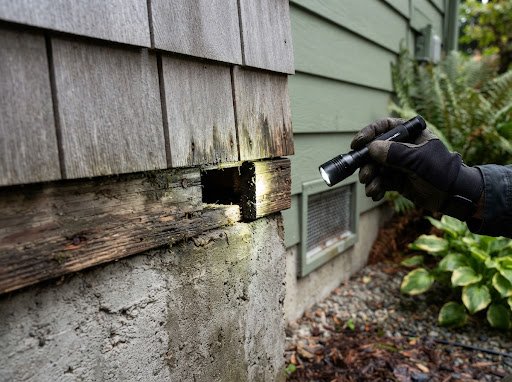
Foundation & Siding Inspection: Verifying quarter-inch entry gaps, utility penetrations, and crawl space perimeter voids in Renton residential structures.
How to Recognize Mouse Activity
Individual signs do not always confirm the species or full extent of an infestation, but early detection prevents extensive structural and insulation damage.
Small Droppings
Small dark droppings (approximately 1/8 to 1/4 inch long with pointed ends) concentrated around kitchen cupboards, pantries, and storage shelves.
Nocturnal Sounds
Scratching, rustling, or scurrying noises inside hollow drywall partitions, ceiling cavities, or subfloors, particularly during quiet evening hours.
Chewed Materials & Marks
Chewed food packaging, corner holes in cardboard boxes, and subtle mechanical gnaw grooves etched into baseboard corners and wiring insulation.
Nesting Clusters
Shredded paper, fabric lint, or fiberglass insulation accumulated into soft spherical balls in undisturbed ceiling corners, drawers, or behind refrigerators.
Musky Odors
Unusual stale or pungent musky odors lingering inside enclosed crawl compartments, pantries, and under sink cabinets caused by rodent pheromone trails.
Perimeter Sightings
Repeated physical sightings or rapid darting movement across perimeter walls and beneath kitchen appliances, especially in low-light conditions.
Diagnostic Reminder: Because mice are prolific breeders, discovering droppings in multiple rooms often indicates established travel runways rather than an isolated animal. Prompt assessment prevents larger colonies from infiltrating insulation.
Common Mouse Entry Points
House mice can squeeze through openings as small as a quarter-inch (roughly the width of an ordinary pencil). The Washington State Department of Health advises systematically identifying and sealing these architectural vulnerabilities across the property envelope:
Pipes & Utility Lines
Unsealed annular gaps around plumbing stubs, electrical feeds, heat pump conduit lines, and exterior spigot penetrations through cedar or cement board siding.
Doors & Garage Thresholds
Worn rubber weatherstripping, rotted door casings, warped exterior thresholds, and chewed bottom astragals along garage roll-up doors.
Foundation & Lap Siding
Cold expansion joints between poured concrete foundation walls, cedar bottom laps, cracked mortar lines, and ground-level rim joist voids.
Roof Edges, Eaves & Vents
Fascia separations, uncapped attic gable vents, soffit screen tears, ridge vent gaps, and dormer roof junction openings accessible via overhanging trees.
Crawl-Space Access Points
Loose perimeter hatch covers, rusted or warped sheet metal crawl-space doors, and rotted timber entry panels allowing direct passage to subfloors.
Dryer & Exhaust Vents
Plastic exterior louver vents missing 1/4″ galvanized wire mesh, stuck backdraft dampers, and broken bathroom exhaust duct flappers.
Washington DOH Standard: Any exterior breach exceeding 1/4 inch (6mm) represents a viable travel corridor for field and house mice entering Pacific Northwest crawl spaces and wall voids. Effective prevention mandates permanent structural sealing with gnaw-proof materials.
How the Mice Control Process Works
A clear, multi-step outline of how connected independent pest-control specialists typically evaluate, trap, and exclude rodents:
Phase 1
Describe the Problem
Share where activity has been observed, visible droppings, nocturnal sounds, and whether it affects kitchens, attics, or crawl spaces.
Phase 2
Provider Connection
Where service coverage is confirmed, we connect you with an independent, licensed King County pest-control specialist available in your Renton neighborhood.
Phase 3
Assessment & Inspection
The provider examines living spaces, attic insulation, subfloor voids, and exterior building envelopes for entry routes and active runways.
Phase 4
Treatment Plan & Estimate
The provider outlines appropriate trapping methods, exclusion repairs, scope of work, and transparent pricing before any remediation begins.
Phase 5
Removal & Exclusion
Targeted mechanical traps are placed in secure runways while structural entry points are sealed with durable gnaw-proof materials.
Phase 6
Prevention & Follow-Up
Follow-up visits check trap clearance, verify closure integrity, and advise on sanitation and food-storage practices to maintain long-term protection.
Specific services, timing, and costs depend on the independent provider and the conditions found at the property.
Approaches to Mouse Control
No single method works in every situation. Professional integrated pest management prioritizes mechanical solutions, structural repairs, and sanitation to protect living spaces safely.
Targeted Trapping
Mechanical snap traps and discreet multi-catch devices placed strategically along confirmed runs behind appliances and wall cavities. Placement is secured away from children and household pets, avoiding unmonitored poisons inside living areas.
Entry-Point Sealing
Durable, gnaw-resistant materials including 1/4″ galvanized steel hardware cloth, elastomeric exterior sealants, heavy-gauge aluminum flashing, and hydraulic mortar are installed to close structural gaps permanently.
Food & Shelter Prevention
Storing dry pantry goods in glass or rigid food-grade containers, securing overnight pet food bowls, elevating firewood stacks, and clearing dense vegetation and cardboard storage that provide harborage.
Contamination Cleanup
CDC and Washington State Department of Health protocols mandate thorough wet disinfection using hospital-grade disinfectants. Avoid dry sweeping or vacuuming dry droppings to prevent aerosolizing hazardous microbial dust.
Why Removal and Prevention Both Matter
A lasting control plan often considers both current mouse activity and how mice are getting inside.
Phase A
Mouse Removal
Eliminating the active population living inside walls and living spaces.
Addresses existing mouse population currently inside the property.
Uses targeted mechanical trapping or provider-approved containment systems.
Requires careful daily trap monitoring and sanitary carcass disposal.
Limitation: Does not stop new mice from entering through unsealed exterior gaps.
Phase B
Mouse Exclusion
Physical fortification to seal exterior penetrations permanently.
Identifies and seals structural openings across the entire building envelope.
Uses 1/4″ galvanized steel mesh, exterior caulking, and metal kickplates.
Protects crawl spaces, attics, utility penetrations, and foundation sills.
Advantage: Provides durable physical defense to prevent re-infestation after removal.
Integrated Strategy: Trapping without structural exclusion invites repeat colonizers within months. Complete exclusion without removing indoor mice traps rodents inside living zones. Connected providers coordinate both disciplines.
Why Mouse Problems Should Not Be Ignored
A factual, non-alarmist overview of property integrity and family health risks associated with uncontrolled residential rodent populations:
Food & Surface Contamination
Droppings and micro-droplets of urine deposited across kitchen countertops, silverware drawers, and pantry shelves can spread foodborne bacteria like Salmonella and other pathogenic contaminants.
Structural & Wiring Damage
Continual biological gnawing to trim incisor teeth damages fiberglass insulation, flexible PEX plumbing tubes, and electrical wiring jackets, creating potential short circuits and moisture leaks.
Cleanup & Health Precautions
Dried rodent waste requires careful wet-cleaning with disinfectant solutions; sweeping or disturbing dry droppings releases bio-contaminants into enclosed breathing air and HVAC ductwork.
Regional Health Risks
Wild mice can harbor pathogens including Lymphocytic Choriomeningitis (LCMV) and Sin Nombre virus (carried by deer mice prevalent in King County greenbelts and wooded foothills).
PUBLIC HEALTH PRECAUTION
Never sweep, vacuum, or blow dry mouse droppings or nesting materials. Always follow Washington State Department of Health and CDC wet-cleaning guidelines, or consult a qualified professional for extensive attic or crawl space contamination.
What Can Affect the Cost of Mouse Control?
Pricing varies based on physical property characteristics and required scope. The independent provider confirms the written estimate directly after on-site assessment.
Extent & Location
Isolated activity restricted to a single kitchen pantry requires less labor than a property-wide infestation spanning attics, basements, and subfloors.
Number of Entry Points
The quantity and physical height of structural gaps. Ground-level gaps are simpler to seal than high second-story fascia voids or steep gables.
Space Involvement
Attic blown-in insulation, narrow crawl space vapor barriers, and interior wall voids demand specialized access equipment and safety suits.
Exclusion Scope & Hardware
Installation of custom sheet metal flashing, welded crawl-space door replacements, foundation vent repairs, and specialized chimney cap retrofits.
Cleanup & Sanitation
HEPA vacuuming of concentrated droppings, disposal of soiled nesting materials, enzymatic odor treatments, and contaminated insulation replacement.
Monitoring & Follow-Up
The scheduled number of trap inspections, carcass removals, and secondary sealing integrity checks required to guarantee zero lingering activity.
Transparent Disclosure: Our referral service does not set pricing or offer flat fees. Connected providers deliver written estimates based on confirmed physical property findings.
Practical Ways to Reduce Mouse Activity
Homeowner checklist: Proactive sanitation and preventative maintenance significantly reduce the attractants that lure rodents toward residential foundations.
Store pantry dry goods, baking flours, seeds, and dry pet kibble in airtight glass, metal, or heavy-duty rigid plastic containers.
Keep indoor and outdoor rubbish in tight-lidded receptacles and avoid leaving unsealed plastic trash bags sitting overnight on garage floors or porches.
Clean kitchen crumbs, toaster trays, stove burner spills, and pet feeding stations promptly each evening before turning off lights.
Clear cardboard boxes, accumulated clutter, and firewood stacks away from garage floors and maintain a 12-inch clear zone against exterior siding.
Seal openings around foundation vents, hose bibs, and door thresholds using 1/4″ galvanized hardware cloth and exterior silicone caulk.
Prune dense ornamental shrubs, arborvitae hedges, and tree limbs back at least 3 feet away from exterior siding, eaves, and gutters.
Inspect utility penetrations where air conditioner refrigerant lines, natural gas pipes, and cable wiring enter building siding.
Mouse Control for Different Property Types
Every building layout in King County features specific construction dynamics requiring specialized inspection methodologies:
Single-Family & Townhomes
Comprehensive building envelope assessments spanning crawl space vent screens, foundation joints, and roof dormers for homeowners.
Apartments & Rentals
Clear reporting, documentation, and coordination between tenants and property managers for prompt access and structural remediation.
Garages, Sheds & Storage
Protecting stored household items, power equipment, and vehicle engine wiring harnesses from cold-season rodent nesting clusters.
Small Commercial Properties
Discretionary referral options for local retail shops, offices, and food-service facilities requiring certified service documentation.
Property access permissions, lease agreements, and contractor availability dictate service feasibility.
Mice Control in Renton, Washington
Renton’s diverse geography—from the historic downtown lowlands along the Cedar River to the heavily wooded neighborhoods of Renton Highlands, Kennydale, Talbot Hill, and Fairwood—creates ideal natural habitats for field and house mice. When cool autumn rains arrive, rodents naturally seek warm residential crawl spaces, attics, and subfloors. We connect local property owners with independent specialists experienced with Pacific Northwest construction types and regional building codes.
Neighborhoods Covered Across Renton:
Frequently Asked Questions About Mice Control in Renton
Straightforward answers regarding mouse behavior, exclusion requirements, health considerations, and referral coordination.
The most common indicators are dark droppings (1/8 to 1/4 inch long) along baseboards or under sinks, nocturnal scratching or scurrying sounds inside walls and ceilings, gnaw marks on wood trim or food packaging, and shredded paper or fiberglass insulation gathered into nests.
Yes. Adult house mice can squeeze through structural openings as small as 1/4 inch in diameter—roughly the width of an ordinary number two pencil. Their flexible rib cages and compact skeleton allow them to compress through gaps around exterior siding, pipe penetrations, and loose foundation vents.
No. Trapping captures current indoor occupants, but mechanical exclusion (sealing exterior entry points with 1/4″ hardware cloth, metal flashing, and sealant) is essential to physically prevent outside field mice from entering in the future.
Yes. Rodent waste can carry harmful bacteria such as Salmonella and viral pathogens. Never dry sweep or vacuum droppings, which can aerosolize viral particles. Always follow Washington State Department of Health wet-cleaning protocols with household disinfectants.
Pricing depends heavily on infestation scope, the architectural complexity of the structure, crawl space accessibility, and the extent of exclusion repairs required. The independent pest-control specialist provides a direct written quote after completing an on-site physical evaluation.
Availability depends on provider schedules and local service dispatch volume. Submitting an inquiry with specific details about your property helps us match you with an active, licensed contractor as quickly as possible.
No. We are an independent referral platform connecting homeowners and commercial property managers with licensed, certified, and insured King County rodent-control and exclusion specialists.
Yes, initial inquiries can be submitted by tenants or landlords. However, on-site structural repairs, exclusion contracting, and service authorization must coordinate directly with the verified property owner or authorized property management company.
Learn More About Rodent Control
⚡ FAST RESPONSE REFERRAL DISPATCH
Looking for Help With Mice in Renton?
Describe the signs of mouse activity at your property and request a connection with an independent pest-control provider where coverage is available. The provider can discuss assessment options, treatment recommendations, pricing, and scheduling.
Independent Referral Network · Serving Renton & South King County · Fast Response Referral
Referral Service Notice: Renton Rodent Control is a referral service that helps connect customers with independent pest-control providers. Inspection, treatment, pricing, scheduling, and service delivery are handled by the provider the customer is connected with.
Educational & Health Disclaimer: This page provides general educational information and is not a substitute for professional medical or licensed structural advice. Always consult public health agencies for hazardous contamination.