
Home › Rodent Services › Rat Removal Renton, WA
● RAT CONTROL & REMOVAL — RENTON, WA
Rat Removal in Renton, WA
Rats can enter buildings through suitable openings, nest in concealed spaces, contaminate storage areas, and damage materials by gnawing. When signs of rat activity appear, understanding where the animals are active and how they may be entering the property is an important first step. Our referral service helps Renton-area residents explore options for connecting with independent pest-control providers who can assess their rat problem and explain appropriate removal and prevention measures.
Rat Activity Assessment
Comprehensive diagnostic investigation of attic voids, subfloors, and active runways.
Removal & Entry Options
Targeted mechanical trapping paired with structural hardware cloth barrier solutions.
Prevention & Guidance
Sustainable boundary integrity, harbor reduction, and long-term recurrence control.
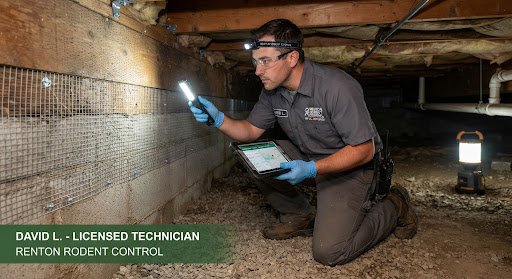
Attic & crawl space structural assessment in King County residential property: verifying entry points, foundation vents, and timber framing.
Why Rat Problems Need More Than a Quick Fix
Rats seek food, water, thermal shelter, and protected nesting niches around residential properties throughout Renton’s varied topography. Because both Norway rats (Rattus norvegicus) and roof rats (Rattus rattus) are intelligent and cautious creatures, isolated snap traps or off-the-shelf baits rarely solve an active colonization.
Trapping alone does not address the foundational issue if structural entry gaps, scent-marked travel corridors, and moisture or food sources remain unchecked. True remediation demands an integrated approach that connects systematic observation with structural barrier work.
Identify the Activity
Look for fresh capsule-shaped droppings, dark rub marks along floorplates, distinct timber gnawing, nocturnal subfloor scurrying, and burrow holes along perimeter foundation walls.
Investigate Access Points
Examine concrete stem walls, unsealed plumbing penetrations, damaged 1/4″ wire vent covers, daylight crawl wells, garage rubber gasket tears, and roof fascia lines.
Consider Prevention
Coordinate mechanical trapping with heavy-gauge hardware cloth exclusion, metal threshold flashings, attic remediation, and the elimination of landscape attractants.
Common Signs of Rat Activity
Because rats are predominantly nocturnal and instinctually avoid open exposure, direct sightings during daylight usually indicate established pressure. Monitor your living spaces and crawl spaces for these six primary indicators:
Rat Droppings
Dark, blunt-ended pellets found along baseboards, behind appliances, or in subfloors. Norway rat droppings measure ~3/4″ with blunt ends; roof rat droppings measure ~1/2″ with pointed ends.
Scratching & Movement Sounds
Distinct scurrying, claw tapping, or scraping noises coming from drywall cavities, ceiling voids, crawl spaces, or drop tiles, typically peaking between dusk and dawn.
Gnaw Marks & Damage
Rough, parallel tooth grooves on structural framing studs, door frames, flexible PEX water pipes, and electrical wiring conduit as rodents continually file their front incisors.
Burrows & Outdoor Activity
Smooth, 2 to 3-inch diameter excavation holes excavated along concrete foundation perimeters, garden edges, underneath concrete patio slabs, and adjacent to compost bins.
Grease Marks & Travel Routes
Dark, oily sebum smudges deposited along recurring travel runways as rodents brush their dirty fur repeatedly against white drywall, floor joists, and foundation access wells.
Nesting Materials & Odors
Shredded fiberglass batt insulation, cardboard clippings, paper debris clustered in hidden joist pockets, accompanied by a sharp, musky, ammonia-like odor.
Field Diagnostic Note: When two or more of these signs appear simultaneously, structural entry points have almost certainly been compromised. Scheduling a formal on-site diagnostic inspection is strongly advised before colonization spreads further into ductwork or living areas.
Common Rat Entry Points Around a Home
An adult rat requires an opening no larger than a quarter (roughly 1/2 to 3/4 inch) to compress its rib cage and force entry. King County construction frequently exhibits typical structural vulnerabilities:
Utility Penetrations
Unsealed annular gaps around outdoor water spigots, electrical service masts, heat pump conduit, and refrigerant lines.
Foundation Vents
Rusted, displaced, or unmeshed perimeter crawl space ventilation grates lacking heavy-gauge 1/4″ galvanized steel cloth backing.
Door Sweeps & Garages
Worn rubber bottom seals on sectional roll-up garage doors, chewed weatherstripping, and missing threshold kick plates.
Rooflines & Dormers
Fascia separations, open soffit returns, unmeshed attic gable vents, and ridge cap clearances favored by nimble roof rats.
Crawl Space Hatches
Exterior ground-level access doors with warped timber covers, decayed jambs, or lacking tight-fitting mechanical latches.
Siding & Weep Holes
Open horizontal terminations along cedar lap siding, architectural trim corners, and unmeshed brick foundation weep slots.
Overhanging Branches
Evergreen limbs and deciduous trees situated within 3 to 5 feet of gutter systems that serve as aerial access highways for climbing species.
Daylight Basements
Cold joints between poured concrete foundation walls and wood framing plates where settling has opened crawl-through voids.
Species Behavioral Note: Norway rats prefer sub-grade excavation, ground floors, and low crawl spaces. Roof rats excel at arboreal climbing, entering via gutter edges, chimney flashings, and attics. A precise inspection assesses both ground and elevated perimeters.
How Rat Removal Typically Works
Experienced independent pest-control specialists follow a disciplined, multi-phase procedure designed to diagnose the extent of activity, humanely remove internal rodents, and permanently seal access ways.
Discuss the Rat Problem
Initial phone or intake interview detailing noticed signs: noises, sightings, droppings location, timeline, and any prior remediation steps attempted by the property owner.
Assess the Property
On-site investigation covering attics, crawl space subfloors, plumbing runs, garage perimeters, and exterior rooflines to map out nest sites and primary structural breaches.
Review Findings & Scope
The contractor presents an itemized summary of active routes, recommended trapping layouts, exclusion work required, and custom options for vapor barrier or insulation repairs.
Targeted Rat Removal
Deployment of mechanical trapping stations and capture hardware directly in identified runways, ensuring children and household pets are fully shielded from traps.
Exclusion & Entry Repairs
Permanent mechanical sealing using 1/4″ galvanized hardware cloth, metal flashings, and structural sealants, carefully timed to avoid trapping active rodents inside walls.
Prevention & Follow-Up
Follow-up checks verify zero residual activity, evaluate crawl space sanitation requirements, and establish perimeter monitoring protocols for lasting defense.
Which Rat-Control Methods May Be Used?
Independent pest specialists evaluate structural layout, presence of pets, and infestation severity before selecting appropriate removal tools.
Mechanical Trapping
Commercial snap-traps housed in tamper-resistant, locked boxes placed precisely along established scent runways. Trapping yields immediate confirmation of removal, prevents animal death inside inaccessible wall voids, and completely avoids rodenticide exposure to domestic animals.
Baiting Considerations
When rodenticides are deployed, licensed technicians restrict their use strictly to locked, heavy-gauge exterior bait stations anchored to concrete slabs. Qualified technicians avoid indoor loose chemical baiting, which can result in deceased rats rotting inside wall bays and secondary poisoning hazards.
Exclusion & Habitat Edits
The most durable solution consists of architectural exclusion: blocking access holes with galvanized steel mesh, copper mesh, metal flashing, and expanding foam with embedded abrasives, accompanied by clearing vegetation harborage and sealing exterior waste receptacles.
Removing Rats and Preventing Their Return
Homeowners frequently confuse active removal with exclusion. Long-term property protection requires understanding how these two critical phases depend upon each other.
| Feature | Rat Removal | Rat Exclusion |
|---|---|---|
| Core Focus | Addressing rats currently present inside the structure | Closing suitable openings that allow rodents to enter |
| Primary Methods | Targeted mechanical snap-traps or approved retrieval methods | Heavy-gauge hardware cloth, metal flashing, mortar, sweeps |
| Structural Need | Requires analysis of active runways, droppings, and feeding zones | Requires thorough building envelope and perimeter assessment |
| Limitation Alone | May not prevent new rodents from entering untreated exterior gaps | Does not immediately remove rats already nesting inside voids |
Strategic Takeaway: Trapping without exclusion creates an endless cycle of rodent capture as new rats discover the scented trails. Exclusion without initial trapping risks sealing live rodents inside wall cavities, creating structural chewing damage and odor emergencies. An integrated protocol accomplishes both in proper sequence.
Why Rat Activity Should Be Addressed
Rats reproduce quickly in climate-sheltered Pacific Northwest homes, escalating structural degradation and biohazard exposure if left unattended.
Property Damage
Rats chew unceasingly through timber, drywall, PVC/PEX water piping, and wiring insulation. Stripped electrical conductors represent documented attic fire hazards, while punctured plumbing introduces concealed subfloor rot.
Contamination
A single rat can deposit 40 to 50 droppings daily and drip micro-droplets of urine along pantry shelves, subfloor insulation, and HVAC ductwork, saturating thermal batting and spreading persistent organic odor.
Health Considerations
Rodents serve as potential vectors for bacterial and viral pathogens, including Leptospirosis, Salmonellosis, and Rat-Bite Fever. In Western Washington, exposure to airborne droppings dust also requires strict cleanup safety.
PUBLIC HEALTH SAFETY ADVISORY
Do not dry-sweep or vacuum rodent droppings or nesting debris. Sweeping releases desiccated pathogens into the breathing air. Always wear appropriate personal protective gear and adhere strictly to current Washington State Department of Health or CDC wet-cleaning disinfection protocols.
Factors That May Affect Rat-Control Pricing
Because residential architecture, framing styles, and crawl space conditions vary extensively across King County, pest-control pricing is determined by the specific independent provider based on physical property inspection. Typical variables include:
Severity & colonization size of rat population
Total square footage and number of affected zones
Crawl space clearance, standing water, and accessibility
Complexity and density of indoor trapping stations
Quantity of entry breaches requiring metal flashing & wire mesh
Scope of attic insulation replacement or crawl sanitization
Number of follow-up trap clearing and reset visits required
Roof pitch, heights, and elevated safety equipment needs
Referral Pricing Disclosure: Renton Rodent Control does not establish rates, provide standardized phone quotes, or guarantee third-party pricing. Accurate quotes and warranty parameters are provided directly by your matched licensed technician following an on-site evaluation.
How to Reduce the Risk of Rat Activity
Preventative landscaping and routine home maintenance substantially reduce rodent pressure around King County properties:
Airtight Food Storage
Transfer dry pet kibble, wild birdseed, and pantry dry goods into chew-proof galvanized metal or thick plastic containers.
Lidded Trash Cans
Keep municipal compost and waste bins sealed with heavy latching lids; wash bins periodically to eliminate lingering food residue odors.
Harvest Fallen Fruit
Regularly gather fallen apples, berries, and plums from yard areas. Avoid open ground-pile composting within 30 feet of foundations.
Elevate Firewood
Store stacked firewood and building supplies at least 18 inches off the soil and a minimum of 20 feet away from exterior house walls.
Maintain Door Sweeps
Check garage rubber seals and exterior thresholds yearly; replace any worn stripping that reveals daylight when closed.
Prune Tree Branches
Cut back evergreen fir and cedar limbs a minimum of 6 to 8 feet from gutter edges and roof ridges to eliminate overhead bridges.
Clear Blackberry Brambles
Eradicate invasive Himalayan blackberry thickets and ivy that create dense protective harborages right up to property walls.
Act on Early Signs
Investigate initial gnaw marks or unusual night noises promptly instead of waiting for a small intrusion to develop into a colony.
Rat Problems Can Affect Different Areas of a Property
Every architectural style requires custom containment strategies to protect inhabitants and preserve building materials.
Homes & Residential Properties
From single-family ramblers in the Renton Highlands to multi-story craftsman homes in Kennydale, living spaces require discrete, child-safe, and pet-protected trapping methods paired with comprehensive foundation exclusion.
Attics & Crawl Spaces
Unfinished, tight crawl spaces and cathedral attic cavities offer secluded shelter for nesting. Contractors enter these restricted areas to seal joist runs, fix broken vent screens, and clean soiled vapor barriers.
Garages & Storage Buildings
Detached shops, outbuildings, and unheated garages frequently store stored seasonal supplies, pet kibble, and vehicles. Rodents chew wiring harnesses and build nests inside vehicle engine blocks.
Rental & Managed Properties
Landlords and property managers require clear diagnostic reports, dependable scheduling, and minimal disruption for tenants. Service coordinators match multi-family properties with licensed commercial specialists.
Rat Removal Referrals in Renton, Washington
Renton Rodent Control operates as a local referral dispatch network connecting residential homeowners, HOA boards, and property management firms across South King County with licensed, insured independent rodent-control contractors.
Coverage, response times, and technician dispatch are subject to provider availability and geographic constraints within South King County.
Frequently Asked Questions About Rat Removal in Renton
Straightforward answers regarding species behavior, trapping protocols, building exclusion, and referral services.
Rats are substantially larger (up to 16 inches including tail) with thick, blunt-ended droppings (1/2″ to 3/4″ long). Mice produce much smaller, grain-of-rice droppings (1/8″ to 1/4″ long) with pointed tips. Rat gnaw marks leave larger, wider parallel gouges on wood framing, and their nighttime noises sound distinctly heavier than mice scurrying.
Note the specific locations and time of day you hear noises (most rat sounds occur between 10 PM and 5 AM). Avoid cutting into drywall or spraying consumer pest repellents inside wall cavities, which may drive rodents further into hard-to-reach areas. Contact a specialist for a structural inspection to identify where rodents are entering the framing cavity from the outside.
Rats continually leave scent trails (pheromone markings) along their travel corridors. Catching resident rats removes the current individuals, but outside rats following scent trails will readily repopulate the structure unless all exterior architectural gaps are mechanically sealed with metal hardware cloth and flashing.
No. Trapping is solely an active reduction measure. Permanent resolution requires structural exclusion (closing breaches), environmental cleanup (removing food attractants), and remediating any urine and pheromone deposits in crawl spaces or attics.
Qualified rodent professionals strongly advise against using interior poisons or rodenticides inside homes. Poisoned rats frequently crawl into inaccessible wall stud bays or ductwork to die, generating severe decay odors, fly infestations, and biohazard complications. Secondary poisoning risks to pets also make mechanical trapping far superior indoors.
Yes. A full-grown adult Norway or roof rat can compress its body through any opening approximately 1/2 to 3/4 of an inch in diameter—roughly the width of a standard US quarter. If an opening accommodates the skull, the rest of the flexible skeleton can follow.
Costs depend upon property size, crawl space accessibility, severity of colonization, and the number of exterior repair zones requiring steel flashing and hardware cloth. Independent contractors inspect the site and provide itemized estimates based on real conditions rather than speculative generic pricing.
Basic trapping services focus on animal removal. Extensive biohazard decontamination, soiled vapor barrier replacement, and attic insulation restoration are typically separate service scopes detailed by your provider following diagnostic inspection.
Yes, when executed by trained professionals. Independent specialists house mechanical snap-traps inside tamper-resistant, key-locked security boxes placed strictly away from domestic animals. Chemical rodenticides, if used outdoors, are anchored inside heavy child- and pet-proof housings.
No. Renton Rodent Control is an independent referral network connecting homeowners with vetted, licensed local pest control specialists. All diagnostics, service contracts, pricing, and work guarantees are managed directly by the matched provider.
Learn More About Rodent Control
Explore technical guides, public health advisories, and homeowner checklists compiled for King County properties:
Ready to Address a Rat Problem?
If you have noticed droppings, gnaw marks, scratching sounds, or other signs of rat activity, the next step is to understand the problem and the available options. Tell us about your situation to explore a connection with an independent pest-control provider serving Renton, subject to coverage and availability.