
Home / Kent, WA
● KENT & SOUTH KING COUNTY SERVICE DIRECTORY · KENT, WA
Independent Specialist Matching Network
Rodent Control in Kent, WA
Noticing signs of mice or rats at your Kent property? Explore common rodent concerns, practical prevention measures, and options for connecting with independent pest-control providers. Available services depend on your location, property needs, and provider coverage.
Property-specific options
Independent licensed providers
Availability varies by ZIP
Referral Network Notice: Renton Rodent Control is a referral directory matching Kent homeowners, rental managers, and commercial operators with qualified independent local providers. We do not directly dispatch crews or conduct extermination.
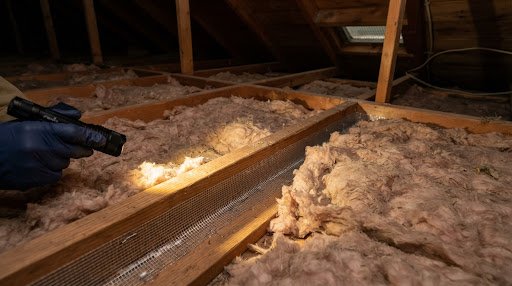
Field Inspection Diagnostic: Documenting foundation sill clearances and warehouse garage transitions along the Green River Valley floor in Kent, WA.
Rodent Control in Kent Homes and Businesses
Kent occupies a distinctive position in South King County. Stretching across the Green River Valley bottomlands along Interstate 5 and State Route 167 up to the East Hill residential plateau, properties face starkly varied rodent pressures. From historical homes with daylight basements near Lake Meridian to sprawling logistics distribution facilities in the valley floor, pest dynamics demand local environmental literacy.
Green River Valley & Riparian Buffers
The Green River, Mill Creek, and agricultural open spaces provide natural foraging routes and continuous hydration for Norway rats and native field mice looking for seasonal shelter.
River Corridor Ecology
Industrial Logistics & Freight Interfaces
Extensive distribution centers, rail spurs, loading docks, and food manufacturing plants create elevated food, packaging, and high-frequency shelter access points along the valley floor.
Commercial Vulnerability
East & West Hill Residential Architecture
Daylight basements, older crawl space foundation vents, and mature conifer canopy overhangs make roof rats and house mice persistent during wet Pacific Northwest winters.
Residential Envelopes
Independent Structural Evaluations
Referrals emphasize physical assessments performed by Washington State Department of Agriculture (WSDA) licensed independent structural pest inspectors who evaluate entry mechanisms.
WSDA Standards
Rodent Problems You May Need Help With
Independent operators evaluate unique infestation expressions, providing specific intervention and exclusion strategies based on physical evidence.
Mouse Activity
Tiny droppings, scratch sounds within kitchen cabinetry, gnawed packaging, or torn fiberglass insulation in crawl spaces or wall cavities.
Rat Activity
Larger blunt droppings, perimeter burrows along foundation edges, gnawed wiring, or active runway grease rub-marks along interior studs.
Rodent Entry Points
Unsealed gaps around exterior crawl space vents, pipe conduit cutouts, damaged door sweeps, loading docks, and roofline fascia joints.
Attic, Garage & Storage
Compromised crawl space vapor barriers, ruined attic insulation blown out by nesting rodents, or contaminated storage bays requiring repair planning.
How to Recognize Possible Rodent Activity
Rodents are primarily nocturnal and secretive. Early detection of structural activity relies on identifying secondary physical traces before colony numbers surge.
Concentrated Droppings
Found inside kitchen pantries, along baseboards, behind appliances, or on subfloor sill plates.
Nocturnal Sounds
Audible scurrying, light scratching, or tapping in attic voids and drywall bays between 11 PM and 3 AM.
Fresh Gnawing Marks
Light-colored chew marks on dimensional framing, PVC drainage pipes, conduit, or pantry dry goods.
Nesting Materials
Shredded cellulose insulation, chewed cardboard boxes, paper scraps, or fiberglass batts piled in corners.
Chewed Food Packaging
Bags of pet food, livestock feed in shops, seed sacks, or dry cereal boxes with small serrated holes.
Exterior Burrows
2 to 3-inch clean-edged holes in soil under concrete slabs, patio pavers, decks, or outbuilding skids.
Refuse Area Activity
Runways worn through grass, grease rub marks on concrete curbs, or activity around commercial dumpster pads.
Pungent Musky Odors
A stale, ammonia-like scent lingering in enclosed crawl spaces, basements, or pantry storage closets.
Diagnostic Inspection Advisory
A single observation does not reliably reveal total colony volume or rodent species. When submitting a referral request, noting multiple symptoms (e.g., location, time of day sounds occur) helps matched independent technicians select suitable diagnostic inspection tools.
Where Rodents May Be Entering or Nesting
Understanding typical building envelope weaknesses in Kent homes and industrial properties enables focused structural exclusion.
Inside the Property & Interior Zones
Kitchen & Pantry Cutouts: Subfloor pipe penetrations behind dishwashers, garbage disposals, and kitchen ranges frequently offer direct crawl space access.
Garages & Workshop Storage: Degraded bottom rubber astragals on garage doors allow mice to slip into dry, clutter-rich bays unnoticed.
Attic & Roofline Transitions: Roof rats navigate overhanging cedar branches, entering loose fascia junctions, plumbing boot stacks, or gable louvers.
Crawl Space & Subfloor Foundations: Wet valley ground encourages rats to compromise torn black polyethylene vapor barriers and nest in floor joist insulation.
Exterior, Perimeter & Commercial Zones
Foundation & Mudsill Interfaces: Settling cracks along older foundation walls or gaps between concrete stems and wooden sill plates create entry points.
Refuse Enclosures & Compactors: Unsecured dumpsters, grease collection containers, and perimeter drain basins provide dependable sustenance for local rodents.
Logistics Bays & Loading Docks: Roll-up freight door gaps, unsealed dock leveler pits, and exterior pallet staging attract opportunistic foraging colonies.
Utility Line & Heat Pump Sleeves: Unsealed lines for AC refrigerant lines, gas pipes, and cable entries through lap siding or brick veneer.
* Note: Not every property requires physical exclusion in every zone; service recommendations depend on physical findings by your matched independent provider.
Identifying the Rodent: Mice vs. Rats
Distinguishing rodent species is critical. Mice and rats exhibit distinct behaviors, food preferences, and physical entry parameters.
Mice (House & Deer Mice)
Mus musculus & Peromyscus maniculatus
Body Length: 2.5 to 4 inches; slender frames with long, hairy tails.
Dropping Profile: 1/8 to 1/4 inch long, slender with distinctly pointed ends.
Entry Clearance: Can squeeze through openings as narrow as 1/4 inch (the diameter of a standard pencil).
Habitats: Wall insulation, kitchen cabinets, linen closets, pantry shelving, and vehicle engine bays.
Health Advisory: Wild deer mice in rural King County can be vectors for Sin Nombre hantavirus; dry sweeping must always be avoided.
Behavior: Inquisitive explorers, nibble lightly at multiple food sites each night.
Rats (Norway & Roof Rats)
Rattus norvegicus & Rattus rattus
Body Length: 7 to 10 inches; heavy muscular bodies with blunt or pointed muzzles.
Dropping Profile: 1/2 to 3/4 inch long, capsule-shaped with blunt ends.
Entry Clearance: Require roughly 1/2 inch gap (size of a nickel or quarter coin).
Habitats: Norway rats burrow near Green River banks, building footings, and slabs; Roof rats nest in attics, rafters, and tree canopies.
Gnawing Capacity: Capable of chewing through soft aluminum, PVC, wood, and cured mortar.
Behavior: Highly neophobic (fear new objects); stick strictly to established runway routes.
Practical Ways to Reduce Rodent Access
Structural exclusion and sanitation form the foundation of long-term rodent management. Chemical controls alone fail without durable building defenses.
Airtight Containers
Store grains, dried pet kibble, and pantry provisions in glass jars or heavy-gauge plastic bins with locking lids.
Secured Refuse
Ensure outdoor residential bins and commercial dumpsters maintain functional latching lids without bottom rust holes.
Sanitation Cadence
Routinely sweep spilled grains or organic detritus from garages, loading dock bays, and kitchen sub-cabinetry.
Perimeter Clearance
Prune tree limbs 6 feet back from roofs and maintain a clean 18-inch clear gravel buffer around building slabs.
Steel Mesh Seals
Seal exterior wall penetrations with 1/4-inch 16-gauge galvanized hardware cloth and silicone, not foam alone.
Door Astragals
Install commercial-grade nylon brush seals or steel-reinforced rubber sweeps across roll-up and garage door thresholds.
Foundation Vent Screens
Inspect and replace rusted or dislodged crawl space foundation vent screens with heavy gauge steel frames.
Professional Exclusion
Connect with experienced local providers equipped to implement full-envelope structural repairs and exclusion.
How the Connection Process Works
Our intake matches your property specifics with independent pest operators serving Kent and South King County.
Step 1
Submit Your Request
Fill out our intake form detailing your Kent property location, ZIP code, and specific rodent signs observed.
Step 2
Provide Property Details
Specify if the property is a single-family home, multi-family building, or commercial warehouse facility.
Step 3
Review Potential Options
Our directory verifies information against independent local providers specializing in your structural requirements.
Step 4
Connect With a Provider
Your intake details are transferred directly to a matched independent contractor for prompt follow-up.
Step 5
Discuss Assessment & Scope
The independent provider communicates inspection availability, diagnostic findings, and written cost estimates.
Step 6
Coordinate Directly
Engage the licensed specialist directly for trapping, crawl space remediation, exclusion repairs, or regular maintenance.
Explore Rodent Service Options in Kent
Select specific disciplines tailored to residential and commercial challenges in Kent and surrounding South King County.
Identification, strategic trapping, and removal programs for Norway and roof rats.
Galvanized steel hardware screening, flashing, and sealing of entry vulnerabilities.
Evaluation of contaminated attic insulation, pheromone trails, and sanitization scope.
Assessment of subfloor vapor barrier damage, burrow networks, and ventilation screens.
Locating hidden carcasses inside wall cavities or enclosed soffits causing foul odors.
Public Health Alert
Take Care When Cleaning Rodent Droppings
Improper cleanup of rodent droppings, urine, or nesting debris aerosolizes pathogens, including Hantavirus Pulmonary Syndrome (HPS) and lymphocytic choriomeningitis (LCMV). Always observe strict hygiene standards.
NEVER Sweep Dry
Never dry sweep or vacuum droppings. This suspends contaminated infectious dust directly into the breathing zone.
30-Min Ventilation
Open exterior windows and exterior access doors for at least 30 minutes before entering enclosed spaces.
Respiratory PPE
Equip nitrile gloves, eye protection, and an N95 or P100 half-face respirator before handling contaminated materials.
Wet Disinfection
Thoroughly saturate materials with 10% household bleach or EPA disinfectant. Wait 10 minutes before wiping with paper towels.
Double-bag contaminated materials and dispose of according to local King County solid waste instructions.
Rodent Referral Options for Kent Properties
Different property arrangements carry distinct legal, structural, and financial considerations.
Homeowners
Protect your property investment, indoor air quality, and insulation integrity. Matched specialists diagnose building envelope vulnerabilities and install lasting structural exclusion barriers tailored to PNW architecture.
Focus: Structural Preservation
Renters & Property Managers
Address infestations swiftly under Washington State Landlord-Tenant Act provisions (RCW 59.18). Property managers connect with specialists capable of multi-unit inspections, clear documentation, and compliant mitigation.
Focus: RCW Compliance & Multi-Unit
Commercial & Logistics Reps
Distribution centers, logistics docks, and food service venues in the Kent Valley require audit-ready pest management, perimeter monitoring stations, and freight door exclusion to meet health code standards.
Focus: Industrial Audit Defense
Kent Rodent Control FAQs
Answers to common questions about rodent identification, service referrals, and local procedures.
The most definitive method is examining fecal droppings. Mouse droppings are small (1/8–1/4 inch) with pointed tips, similar to black grains of rice. Rat droppings are significantly larger (1/2–3/4 inch), capsule-shaped, and blunt-ended. Rats also leave prominent oily rub marks along baseboards and create larger burrows (2–3 inches) near foundations.
Yes. Our referral platform accepts intake details from homeowners, tenants, and commercial property managers across Kent (ZIP codes including 98030, 98031, 98032, 98042, and 98064), matching you with qualified independent providers active in your area.
No. Renton Rodent Control is strictly an independent referral matching directory. We do not employ exterminators, deploy service trucks, or perform physical pest control. All estimates, contracts, physical work, and warranties are executed directly between you and the matched independent licensed contractor.
Cost depends on the scope of work. Initial diagnostics and trapping typically range between $250 and $600. Extensive physical exclusion (sealing foundation voids, replacing crawl space vent screens, door sweeps) and attic/crawl space insulation decontamination are priced based on square footage and severity, established during the on-site provider inspection.
Yes. A common house mouse requires a gap of only 1/4 inch (about the thickness of a pencil) to enter a structure. Full-grown rats can squeeze through any hole 1/2 inch in diameter (the size of a nickel or quarter). If their skull passes through, their flexible ribcage compresses to follow.
Yes. In our referral intake form, you can select specific zones including attics, crawl spaces, attached garages, and commercial docks. We match your request with independent specialists equipped with proper structural licenses and protective safety equipment for confined subfloor or attic environments.
Yes. Kent’s extensive logistics, manufacturing, and food distribution centers frequently face rodent pressures. We match commercial facility managers with independent commercial pest specialists experienced in dock leveler sealing, perimeter baiting compliance, and documentation.
No honest pest professional can guarantee a wild animal will never approach a building again. However, high-quality physical exclusion (sealing all entry points with heavy-gauge galvanized steel mesh and structural repairs), combined with perimeter hygiene, prevents rodents from gaining interior access. Independent providers often offer structural warranties on sealed entry points.
Explore More Rodent Resources
Access informational guides, pest identification protocols, and adjacent King County community coverage directories.
Urban rat containment strategies for North Kent and Renton boundary properties.
Residential interior mouse elimination and pantry exclusion methods.
Architectural sealing methods, materials, and hardware cloth guidelines.
Safe removal, biohazard sanitation, and cellulose re-insulation procedures.
Vapor barrier replacement and foundation vent repairs in river basin soils.
Comprehensive visual index of Pacific Northwest rodents and vector risks.
Health safety protocols for rural deer mouse cleanups across King County.
Comprehensive FAQ on regional contractor standards and licensing verification.
● Prompt Network Dispatch
Looking for Rodent-Control Options in Kent?
Tell us what you have noticed at your Kent property. Submit a request to explore a connection with an independent pest-control provider, subject to local coverage and availability.