
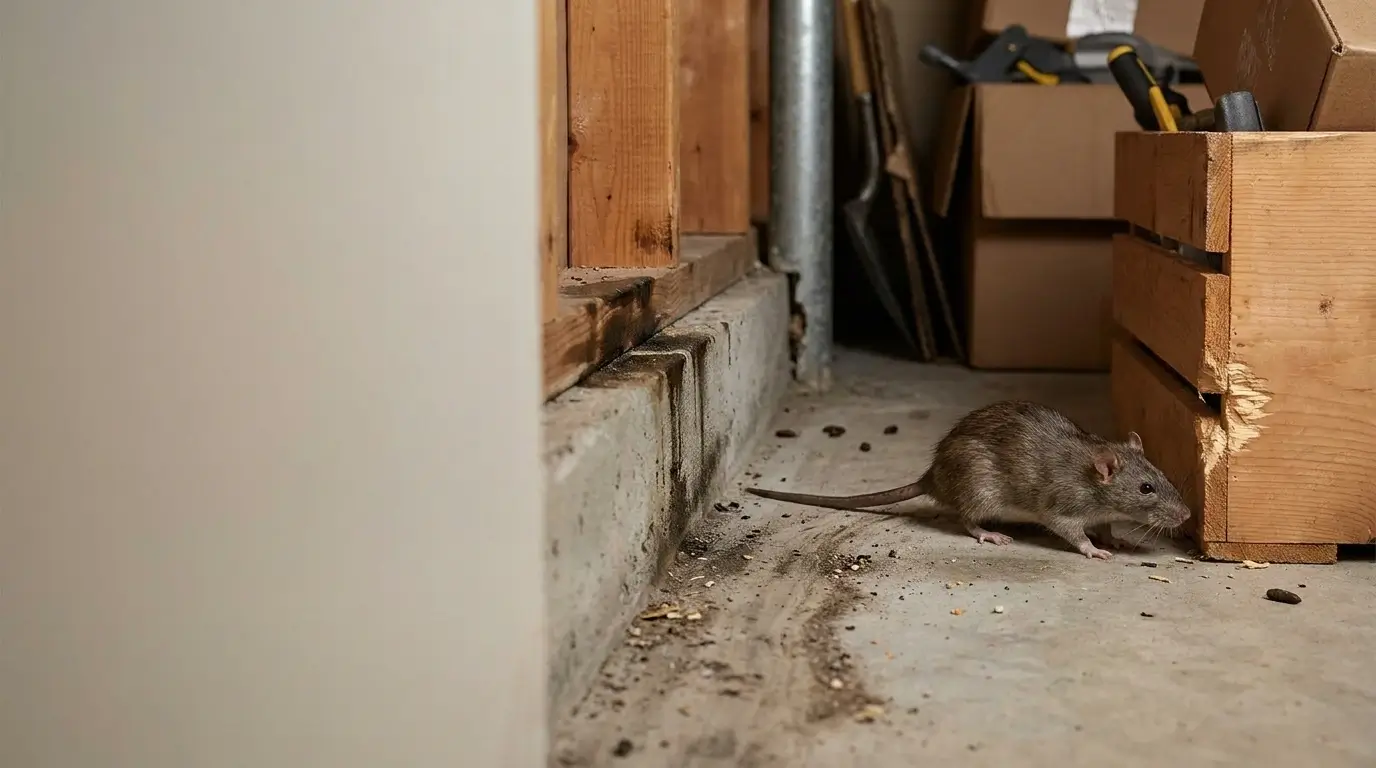
A vacation cabin that sits empty for weeks or months is an ideal home for rodents. There is no human activity, no noise and often plenty of stored linens, paper goods and cozy insulation. By the time you return for the first warm weekend, mice or rats may have been raising families in the walls, attic or crawl space for a long time.
Many Renton and King County residents own cabins in the Cascades, on the Olympic Peninsula or elsewhere in Washington. Whether you have a lake cabin, a mountain getaway or a second property you only use seasonally, a few habits can dramatically reduce the chance of an unpleasant surprise.
Why Seasonal Properties Are Vulnerable
- Long stretches without disturbance. Rodents settle in quickly when nobody is around.
- Wooded or rural surroundings. Forest, brush and wood piles provide natural cover and food.
- Cold weather pushes rodents indoors. Autumn and winter are peak times for animals to look for shelter.
- Leftover food and stored items. Crumbs, pantry goods, pet food and bird seed all attract them.
- More openings. Older cabins often have gaps, loose vents and unsealed utility penetrations.
Deer mice are common in rural and forested parts of Washington and are the species associated with hantavirus. Our deer mouse control page and hantavirus guide explain more.
Before You Close Up for the Season
1. Seal the Entry Points
Remember that mice can squeeze through gaps of about 1/4 inch and rats through about 1/2 inch. Inspect and seal:
- Foundation vents, with sturdy screening in good repair
- Gaps around pipes, wires and cables
- Cracks in the foundation or siding
- Gaps beneath doors, so check sweeps and thresholds
- Chimney openings, dryer vents and roof vents
- The crawl space access door
- Eaves and soffits, where rodents can enter the attic
Use durable, rodent-resistant materials. Foam alone is generally not enough because rodents can chew through it. Our rodent exclusion page describes this approach in more detail.
2. Remove Food and Attractants
- Empty the pantry, refrigerator and cupboards of anything edible.
- Store remaining non-perishables in sealed metal or hard plastic containers.
- Take out the trash and clean the bins.
- Wash dishes and wipe counters and crumbs.
- Bring pet food and bird seed indoors or away from the property.
3. Prepare Furniture and Linens
- Store bedding, cushions and clothing in sealed plastic bins rather than open drawers.
- Move mattresses off bare floors or cover them securely.
- Avoid leaving cardboard boxes and paper, which make good nesting material.
- Clean thoroughly so there is nothing appealing left behind.
4. Tidy the Outside
- Stack firewood well away from the cabin and off the ground.
- Trim branches and shrubs that touch the roof or walls.
- Clear brush, leaf piles and clutter near the foundation.
- Keep gutters and drainage clear.
- Secure any outdoor trash and compost.
5. Consider Monitoring While Away
Ask a neighbor, caretaker or property manager to check the cabin periodically. They can look for droppings, chewed items and signs at the entry points. A quick visit during the off-season can catch a problem before it grows. Be careful with poison baits in an unattended building, because poisoned rodents can die in walls or crawl spaces, producing odors that are hard to resolve; see our dead rat smell removal page.
Reopening the Cabin Safely
When you first return, do not rush in and start cleaning.
- Ventilate. Open doors and windows and let the cabin air out for a while before staying.
- Look before you touch. Check for droppings, nests, chewed items and urine stains.
- Protect yourself. Wear gloves and a respirator.
- Never dry sweep or vacuum droppings or nests. This can put particles in the air. Wet the area with disinfectant first, then wipe it up. Our guide to safe rodent dropping cleanup walks through the steps.
- Check hidden spaces, including cabinets, under sinks, the attic and the crawl space.
- Inspect the wiring and appliances. Rodents may have chewed cords or nested in stoves and heaters.
The Washington State Department of Health and the CDC recommend taking precautions in closed-up buildings that may have rodent droppings or nesting material, since rodents can carry disease-causing germs. This is especially important in rural areas where deer mice live.
Signs Rodents Have Moved In
- Droppings in drawers, cupboards or on counters. Mouse droppings are about 1/8 to 1/4 inch and pointed, while rat droppings are about 1/2 to 3/4 inch and blunt.
- Shredded paper, fabric or insulation
- Chewed food packaging and gnawed wood
- A musty or ammonia-like smell
- Scratching in walls or ceilings
- Greasy rub marks along baseboards
If the problem extends to attics or crawl spaces, you may also want to review our pages on attic cleanup and crawl space work.
When to Call a Professional
Consider getting help if:
- You find droppings or nests in more than one area
- You hear activity in walls, ceilings or under the floor
- There is a persistent odor
- Wiring or insulation has been damaged
- You are in a remote location and cannot easily follow up
- You want entry points assessed and sealed before the next closing
An inspection before you shut the property for the season, and again before you reopen it, can help you stay ahead of a problem. Providers differ in how far they travel, so coverage for remote cabins may vary.
Need Help Finding a Provider?
Renton Rodent Control is a referral service. We connect homeowners, renters and property managers in Renton and King County with independent pest-control providers where coverage is available. Availability, services and pricing vary by provider and location. If you would like to be connected, use the link below.
Quick FAQ
When is the best time to rodent-proof a cabin? Before you close it for the season, ideally in early fall before cooler weather drives rodents indoors.
Will leaving mothballs or peppermint oil keep mice away? These are often suggested, but they are generally not a reliable solution. Sealing entry points and removing food are more dependable.
Is it safe to stay in a cabin that had mice? After ventilating and carefully cleaning with gloves, a respirator and wet disinfecting, many people do. If contamination is heavy, consider professional cleanup.
Do cabins in remote areas have access to providers? It varies. Coverage depends on the provider and location, so it is worth asking when you request a connection.
This article is for general education only and is not a substitute for an on-site inspection or professional or medical advice. Renton Rodent Control is an independent referral service and does not provide extermination or repair services.