
Home › Our Process
✔ OUR PROCESS — RENTON, WA
From the First Conversation to a Clear Rodent-Control Plan
rodent removal steps problems often require more than setting a few traps. Understanding where rodents are active, identifying possible entry points, determining the appropriate removal method, and addressing openings can all be important parts of the process. Our referral service helps connect Renton-area customers with independent pest-control providers who can assess their situation and explain the available options.
Comprehensive site check
Targeted entry sealing
Based on agreed scope
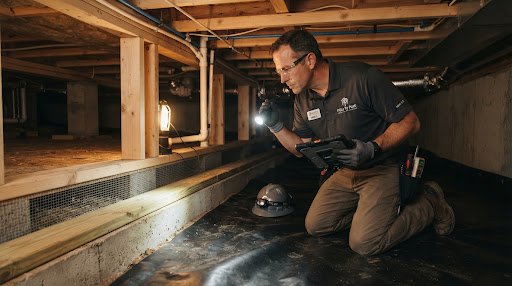
King County, WA
Attic & crawl space structural assessment in King County residential properties. Specialists evaluate perimeter mudsills, plumbing wall penetrations, and crawl screen integrity.
Renton Microclimates: Homes near the Cedar River corridor, Talbot Hill, and Lake Washington greenbelts frequently encounter Norway and roof rats seeking thermal crawl envelopes before freeze cycles.
A Clear Process for Addressing Rodent Problems
The appropriate approach depends on rodent species (roof rats, Norway rats, or field mice), activity levels, building architecture (daylight basements, unsealed crawl spaces, steep-pitch rooflines common to Renton), accessibility constraints, and repair needs.
Initial intake details
Foundation to roofline
Transparent roadmap
Humane targeted trapping
Permanent exclusion
Sanitation & verification
Rodent Removal Steps Methodology
How experienced pest control professionals systematically evaluate, address, and seal King County structures against rodent re-infestation.
Initial Conversation & Property Details
Format: Phone or Secure Web Intake
Every investigation begins by mapping what the property owner has seen, heard, or smelled. Homeowners describe specific indicators: nocturnal scratching in soffits or wall framing, cylindrical droppings under bathroom sinks or in pantries, gnawed wiring, insulation displacement, and seasonal pattern changes.
Specialists gather critical architectural details: construction vintage, presence of subfloor crawl spaces vs. finished daylight basements, proximity to natural ravines or retention ponds, and prior pest control treatments.
Specialist Note: Phone consultations provide crucial diagnostic clues, but a professional physical evaluation is required to accurately distinguish roof rat runways from field mouse activity and uncover concealed structural breaches.
Comprehensive Property Inspection
Scope: Foundation to Ridge Cap
The certified technician conducts an exhaustive, multi-zone physical inspection designed to trace rodent runways, feeding zones, and structural access corridors.
• Foundation stem walls & crawl space access wells
• Foundation ventilation screens (torn wire mesh)
• Plumbing wall chases, heat pumps & AC line stubs
• Attached garage door rubber sweeps & track gaps
• Gable vents, dormer flashing, fascia junctions
• Soffit exhaust vents and ridge caps
• Overhanging tree branches acting as runways
• Attic vapor barriers, insulation tunnels & rub marks
Findings, Recommendations & Estimate
Transparency: Written & Photo Documentation
Following inspection, the provider compiles photographic evidence and explains exactly how rodents entered your home. You receive a clear, itemized proposal detailing:
Identified Species & Activity Level: Specific identification (e.g., roof rat vs deer mouse) dictates trap size, bait attractants, and exclusion materials.
Mechanical Exclusion Specification: Exact materials proposed, including galvanized 1/4-inch hardware cloth, steel flashing, silicone/polyurethane sealants, and metal door sweeps.
Upfront Itemized Pricing: Transparent breakdown of trapping visits, structural repairs, sanitization scope, and service follow-up intervals before any contract begins.
Targeted Rodent Removal
Priority: Pet Safety & Trap Sanitation
Active removal focuses on rapidly reducing the rodent population already inside the building envelope. Technicians use commercial snap traps, concealed capture stations, and strategic placement along established scent runways.
Why Indiscriminate Rodenticides Are Avoided Indoors: Using loose poison blocks inside attics or crawlspaces frequently results in poisoned rodents crawling into inaccessible wall cavities or subfloor ductwork to die, producing severe odor, secondary insect pests, and biohazard complications.
Child & Pet Safety Protocols: Trapping hardware in habitable zones (garages, utility rooms, kitchens) is housed inside tamper-resistant, locked bait boxes or positioned in strictly inaccessible crawl cavities.
Rodent Exclusion & Entry-Point Sealing
Defense: Heavy Gauge Metal Barrier
Exclusion is the true long-term defense. Mice can squeeze through a 1/4-inch gap (the diameter of a standard pencil), and rats can fit through a 1/2-inch opening. Contractors permanently close every verified architectural gap using non-chewable materials.
Critical Sequencing: Exclusion must be timed carefully with active trapping. Sealing all exterior penetrations while rodents remain inside can cause desperate animals to chew through interior drywall, insulation, or baseboards trying to reach water or exterior food sources. Independent specialists coordinate sealing milestones accordingly.
1/4″ Hardware Cloth
Galvanized Metal Flashing
Steel Mesh Copper Wool
Heavy Brush Door Sweeps
Cleanup, Documentation & Follow-Up
Standard: Health & Sanitization Review
Once traps register zero catches over consecutive inspection cycles, the provider confirms eradication. They then evaluate contaminated nesting zones, soiled fiberglass insulation, and latent biological odors that could act as pheromone attractants for outside rodents.
Crucial Health Safety Alert: Never dry-sweep or vacuum mouse or rat droppings. Disturbing dry rodent feces aerosolizes viral and bacterial particles, including hantavirus and lymphocytic choriomeningitis (LCMV). Specialists mist contaminated surfaces with hospital-grade enzyme disinfectants prior to removal.
Depending on the agreement made with your contractor, a scheduled re-inspection confirms seal integrity and ensures no new gnaw attempts have occurred.
Address the Cause, Not Just the Signs
Trapping alone without structural exclusion is an endless cycle. Lasting rodent management demands identifying the systemic entry conditions of the structure.
1. Understand the Activity
Droppings, dark grease rub marks along baseboards, and late-night scratching sounds in wall cavities are symptoms. Distinguishing species biology dictates whether traps belong on floor sill plates (Norway rats) or roof trusses (roof rats).
Diagnostic indicator recognition
2. Investigate Entry Points
Gaps as narrow as 1/4 inch around air conditioning refrigerant sleeves, warped foundation access hatches, and compromised crawl space vent wire allow continuous ingress from King County greenbelts.
Structural building envelope audit
3. Consider Long-Term Prevention
Mechanical exclusion seals structures indefinitely without requiring toxic chemical maintenance in living quarters. Trimming canopy branches and securing compost bins creates a permanent barrier against neighborhood colonies.
Sustainable exclusion barrier
Every Property Has Different Requirements
There is no one-size-fits-all extermination template. Timelines, material selections, and tactical approaches depend directly on key site variables.
Extent and Location of Activity
An isolated mouse in a ground-floor pantry requires vastly different containment protocols than an established roof rat colony running through cathedral attic rafters or insulated subfloor crawl spaces.
Property Architecture & Access
Renton’s split-level mid-century homes and steep hillside constructions often present low crawl clearances, tight pipe cavities, and multi-tier roof junctures that require specialized ladders or safety harnesses.
Entry Points & Exclusion Complexity
Rotted wood fascia, rusting 1970s crawl space wire screens, and foundation settling fractures require custom carpentry flashing, steel mortar, and hardware cloth rather than simple expanding foam.
Removal Methods & Safety Needs
Homes with curious domestic dogs, indoor cats, or small children necessitate 100% mechanical snap traps inside locked tamper-resistant containers with strict zero-chemical internal placement.
Environmental Drivers
Homes adjoining the Cedar River wetland corridor, May Creek Park, or extensive blackberry brambles face persistent regional rodent populations that require ongoing perimeter defense vigilance.
Insulation & Biohazard Condition
Severely soiled crawl vapor barriers or urine-soaked attic batting require enzymatic disinfection or partial reinsulation to eliminate biological signals that draw outside rodent scouts.
How Our Referral Service Helps You
INDEPENDENT CONTRACTOR NETWORK
Renton Rodent Control operates as a specialized local referral service. We do not dispatch proprietary in-house crews. Instead, we match your property details with licensed, independent pest-control providers in Renton and King County. Here is how that connection works:
1. Submit Request
You describe your signs, location, and property type through our intake system.
2. Provider Matching
We match your service request with an independent, verified contractor who handles your specific rodent scenario.
3. Direct Consultation
The independent contractor contacts you directly to review signs, schedule an on-site inspection, and price the job.
4. Independent Service
All estimates, treatments, warranties, and exclusion services are directly provided and managed by the independent provider.
Frequently Asked Questions
Straight answers regarding timelines, structural inspection requirements, exclusion logistics, and transparent pricing.
Trapping active rodents typically takes between 5 to 14 days, depending on population size, runway familiarity, and rodent wariness (neophobia). Exclusion sealing is usually completed in one to two dedicated work visits once the property inspection is finished and major interior activity has been knocked down. Total timeline varies based on attic or crawl space accessibility.
Yes, an on-site inspection is essential. Placing traps blindly without knowing whether you are dealing with roof rats, Norway rats, or field mice often leads to wasted time and bypassed bait. Technicians must also locate the active transit routes and building envelope openings so the root entry cause can be resolved alongside removal.
Renton is surrounded by natural Pacific Northwest greenbelts and riparian corridors. Even if every rodent currently inside your home is trapped, unsealed gaps will simply allow nearby outdoor rodents to follow existing pheromone trails straight back into your insulated walls within weeks. Sealing entry points stops the reinvasion cycle permanently.
No. Removal refers to trapping, catching, and eliminating rodents currently active inside the property. Exclusion is the carpentry and structural barrier work—installing heavy-gauge galvanized hardware mesh, custom sheet metal, flashing, and specialized sealants—that physically denies rodents future entry into the home.
It depends on the severity and duration of the infestation. Light activity may only require spot sanitation with an enzymatic disinfectant. In prolonged infestations with extensive nesting, urine-soaked insulation, or damaged vapor barriers, technicians may recommend targeted insulation removal and sanitization to eliminate disease vectors and odors.
Yes. Reputable independent specialists provide photographic documentation of attic cavities, foundation breaches, chew marks, and damaged vent screens, accompanied by an itemized written estimate outlining the proposed work before any hammer or trap is set.
Cost is dictated by the scope of work. Minor localized trapping with small crawl vent repairs will cost significantly less than multi-story roofline flashing, widespread entry exclusion, and complete crawlspace sanitization. The independent specialist provides direct itemized pricing during or immediately after the diagnostic inspection.
Yes. Many Renton homeowners are remote landlords, out-of-town property managers, or commercial facility directors. Providers frequently coordinate access via lockboxes, electronic keypads, or tenant representatives, delivering comprehensive digital photo documentation and written reports via email.
⚡ FAST RESPONSE COORDINATION
Ready to Take the Next Step?
If you have noticed signs of mice or rats in your home or property, start by describing the problem. We can help connect you with an independent rodent-control provider serving your area, subject to coverage and availability.
✔ No obligation referral
✔ Licensed King County pros
✔ Rapid service coordination