
Home › Maple Valley, WA
📍 MAPLE VALLEY & SE KING COUNTY SERVICE DIRECTORY · MAPLE VALLEY, WA
Rodent Control in Maple Valley, WA
Noticing signs of mice or rats in your Maple Valley property? Learn about common rodent concerns, ways to reduce access to your home, and options for connecting with independent pest-control providers. Available services depend on your location, property needs, and provider coverage.
✔ Local service options • Property-specific needs • Independent providers
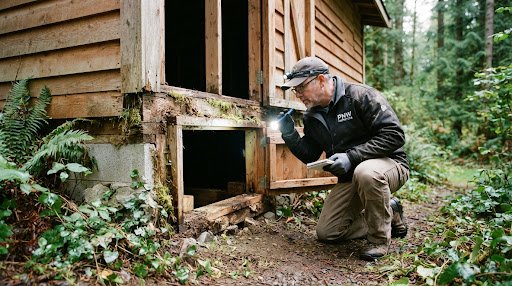
Documentary Field Assessment · Pacific Northwest Residential Envelope Inspection
GEOGRAPHIC & STRUCTURAL CONTEXT
Rodent Concerns for Maple Valley Homes
Maple Valley is an established community in southeast King County bordering Covington, Black Diamond, and Hobart, featuring an interface of evergreen greenbelts, Cedar River tributaries, and residential subdivisions. In these natural corridor environments, rodents naturally seek dry shelter and food sources, frequently entering residential structures through utility penetrations, foundation vents, crawl spaces, and roof transitions. Appropriate next steps depend on observed evidence, building condition, and independent provider availability without indicating that Maple Valley faces an unusual structural outbreak.
Housing & Wooded Interface
Neighborhoods situated near forested buffers, greenbelts, and trail systems experience predictable seasonal rodent foraging pressure.
Common Entry Clearances
Subfloor foundation vents, garage door weatherstripping, crawl access hatches, and exterior pipe penetrations provide ingress paths.
Attic & Subfloor Cavities
Insulated crawl spaces and attics provide sheltered nesting microclimates insulated against Northwest rainfall and cold temperatures.
Independent Assessments
Tailored structural evaluations conducted by independent, state-licensed pest management contractors serving Maple Valley.
PRIMARY STRUCTURAL CHALLENGES
Rodent Problems You May Need Help With
Understanding which primary challenges affect your home helps independent specialists configure appropriate on-site diagnostic steps.
Mouse Activity
Small dark droppings, scurrying or faint scratching sounds in walls, fine gnaw marks on food packaging, or shredded paper and synthetic nesting insulation.
Rat Activity
Larger capsule-shaped droppings, perimeter soil burrows, substantial structural gnawing along baseboards or joists, and recurring outdoor activity around compost or decks.
Rodent Entry Points
Open structural penetrations around air conditioning conduits, warped crawl space vent covers, unsealed roofline eaves, and garage door bottom seal voids.
Attic and Crawl Space Concerns
Compressed or soiled fiberglass insulation, torn vapor barrier membranes on subfloor soils, nesting odors, and structural sanitation evaluations.
INSPECTION DIAGNOSTIC
Signs That May Indicate Mice or Rats
Early detection prevents extensive structural damage to insulation and wiring. Check your Maple Valley home for these recognized field indicators:
1. Droppings
Small, dark pellet deposits along kitchen cupboards, baseboards, beneath sinks, or behind appliances.
2. Nocturnal Sounds
Distinct scratching, scurrying, or light tapping sounds inside ceiling cavities, partition walls, or attics at night.
3. Fresh Gnaw Marks
Light-colored tooth grooves on wooden baseboards, structural joists, plastic pipes, or dry pantry goods.
4. Nesting Materials
Bunches of finely shredded cardboard, insulation, fabric fibers, or organic dried grass in low-traffic corners.
5. Chewed Packaging
Rough, irregular holes chewed through cereal boxes, birdseed sacks, or heavy plastic pet kibble bags.
6. Exterior Burrows
Clean holes 2–4 inches wide excavated directly against foundation stems, slab edges, or wooden deck footings.
7. Unexplained Musky Odors
Pungent, musky, or ammonia-like smells lingering in unventilated pantries, under-sink cabinets, or crawl entrances.
Diagnostic Clarification: A single observed sign does not conclusively identify the exact species or infestation severity. Homeowners submitting an intake form are invited to detail any observed signs so matched independent professionals can evaluate appropriate diagnostic steps.
BUILDING ENVELOPE VULNERABILITIES
Where Rodents May Be Entering Your Property
Pacific Northwest homes often have structural transition points vulnerable to rodent intrusion. Here are the core zones inspected during professional evaluations:
Interior Vulnerabilities
Kitchen and Pantry
Under-sink plumbing line cuts through subflooring, appliance electrical chases, and recessed areas beneath bottom kickplates.
Garage and Storage Areas
Damaged rubber corner gaskets on garage roll-up doors, water heater utility penetrations, and clutter piles offering harborage.
Walls and Ceilings
Concealed stud bays, central HVAC duct chases, and openings around ceiling light fixtures providing unhindered rodent corridors.
Exterior & Structural Boundaries
Attic and Roofline
Soffit vents with degraded screening, unsealed roof ridge caps, fascia junction gaps, and dormer roof intersection angles.
Crawl Space and Foundation
Corroded 1/4″ foundation wire mesh, loose perimeter crawl space access wells, and uncaulked mudsill framing gaps.
Exterior Perimeter
Worn exterior door sweeps, air conditioning heat-pump line penetrations, woodpiles against siding, and dense perimeter salal or ivy.
Inspection Safety Note: Property owners should never reach blindly into dark crawl cavities or unlit attic spaces. Professional pest specialists carry dedicated safety gear, respiratory equipment, and high-lumen inspection optics to evaluate structural voids safely.
SPECIES DISCRIMINATION
Understanding the Difference Between Mice and Rats
Correct identification determines the exclusion materials, trap sizes, and placement tactics required. In King County, both native woodland species and invasive commensal rodents coexist.
Mice (House Mice & Deer Mice)
Opening ≥ 1/4 inch
- Physical Size: Slender bodies, 2.5 to 4 inches in length, weighing under 1 ounce.
- Dropping Characteristics: Small, dark, pointed ends, approximately 1/8 to 1/4 inch long.
- Entry Capability: Can slip through openings as small as a standard dime (1/4 inch).
- Nesting Tendencies: Frequently nest near food sources inside pantry kickplates, wall studs, and insulation.
Health Advisory: Deer Mice
Wild Deer Mice (Peromyscus maniculatus) native to Maple Valley’s forested borders are primary reservoirs of Sin Nombre hantavirus. Never sweep or vacuum their dry nesting debris without proper precautions.
Rats (Norway & Roof Rats)
Opening ≥ 1/2 inch
- Physical Size: Substantial bodies, 7 to 10 inches long with heavy tails, weighing up to 1 pound.
- Dropping Characteristics: Large, blunt or spindle-shaped pellets, 1/2 to 3/4 inch long.
- Entry Capability: Can compress through gaps as small as a standard quarter (1/2 inch).
- Behavioral Habitats: Norway rats burrow into crawl floors and foundations; agile roof rats traverse tree limbs to enter attics.
Overlapping Indicators
Chew marks and structural damage can overlap between young rats and mature mice. An independent licensed technician assesses droppings, rub marks, and trail patterns to verify the species.
HOMEOWNER ACTION CHECKLIST
Ways to Reduce Rodent Access
Preventative maintenance and mechanical exclusion are the most reliable long-term protections for Maple Valley structures. Follow these 8 practical steps:
1. Sealed Containers
Store pantry grains, birdseed, and pet kibble in airtight metal or heavy-gauge plastic bins.
2. Lidded Trash Cans
Secure curbside garbage and compost receptacles with tight-fitting, animal-resistant lids.
3. Clean Fallen Fruit
Remove fallen tree fruit and unharvested garden produce promptly before evening rodent foraging.
4. Reduce Storage Clutter
Minimize ground-level cardboard storage in basements, crawl entries, and garages to deny nesting cover.
5. Inspect Openings
Regularly audit exterior doors, utility conduit penetrations, hose bibs, and sill plates for gaps.
6. Repair Vent Screens
Install 1/4-inch heavy-gauge galvanized hardware cloth over broken foundation and attic louver vents.
7. Trim Vegetation
Maintain an 18-inch clearance between siding and shrubs; cut back tree branches extending over roofs.
8. Professional Materials
Ask an independent specialist about copper mesh, hydraulic cement, and steel flashing for exclusion.
🏥 Review regional health standards and municipal rodent containment requirements.
CONNECTION INFRASTRUCTURE
How the Connection Process Works
Our independent referral network matches Maple Valley property owners with local pest management specialists who serve southeast King County. Here is how your inquiry progresses:
1
Submit Your Request
Share your Maple Valley address or ZIP code and describe the rodent signs you have observed inside or outside your property.
2
Provide Property Details
Specify the property type (single-family, rental, commercial) and target areas such as the crawl space, attic, or kitchen.
3
Review Potential Options
Your information helps identify which independent, licensed pest-control operators have immediate coverage in your specific sub-area.
4
Connect With a Provider
Where schedule availability exists, your referral request is routed directly to a qualified independent contractor.
5
Discuss Assessment & Scope
The matched provider determines whether an on-site structural inspection is necessary and details their diagnostic scope and pricing.
6
Coordinate Directly
Any agreed-upon structural exclusion, trap setting, insulation restoration, or warranties are contracted directly with the provider.
Connection Disclaimer: Submitting a referral request does not guarantee a contractor match, booking confirmation, or specific eradication outcome. Independent specialists establish their own rates and availability.
INDEPENDENT SPECIALTY DISCIPLINES
Explore Rodent Service Options in Maple Valley
Service availability varies by contractor. The referral network connects Maple Valley property owners with providers offering the following specialized services:
Rat Control & Removal
Targeted population reduction for Norway and roof rats using species-appropriate mechanical traps and monitors.
Mouse Control
Interior capture protocols, droppings containment, and runway assessments for house and deer mice infestations.
Rodent Proofing & Exclusion
Permanent physical sealing of exterior structural gaps, vent grills, sill plates, and crawl access points.
Attic Cleanup Assessment
Inspection of contaminated fiberglass, urine staining, and pathogen sanitization requirements in attic zones.
Crawl Space Concerns
Evaluation of torn vapor barriers, foundation burrow networks, and subfloor duct insulation contamination.
Odor Investigation
Pinpointing dead animal odors trapped inside wall cavities, ceiling voids, or under floorboards for remediation.
Prevention Guidance
Tailored recommendations on property sanitation, outdoor compost placement, and structural landscaping setbacks.
⚠ Take Care When Cleaning Rodent Droppings
Rodent urine, droppings, and nesting debris can harbor infectious agents including Sin Nombre Hantavirus and lymphocytic choriomeningitis (LCMV). Inhaling aerosolized dust particles generated during improper cleaning poses serious respiratory health risks.
Never Dry Sweep or Vacuum
Sweeping or household vacuuming stirs up airborne pathogen dust. Never use dry brooms or vacuums.
Ventilate Before Entry
Open outside doors and windows to cross-ventilate closed storage spaces or sheds for at least 30 minutes before cleaning.
Wear Protective Gear
Equip rubber or nitrile gloves, eye protection, and an N95 or P100 tight-fitting particulate respirator mask.
Wet Down With Disinfectant
Generously spray droppings and nests with household disinfectant or 10% bleach solution; let soak for 10 minutes.
Wipe With Paper Towels
Pick up saturated debris using damp paper towels, place in a plastic bag, and seal tightly. Do not shake materials.
Double-Bag All Debris
Double-bag all used gloves, paper towels, and contaminated insulation before outdoor disposal in sealed garbage bins.
For heavy attic deposits, extensive crawl space soiled insulation, or unknown contamination, professional remediation is strongly advised.
PROPERTY-SPECIFIC PATHWAYS
Rodent Referral Options for Different Properties
Every Maple Valley structure has unique operational and contractual considerations. Discover referral pathways suited to your situation:
Homeowners
Protect long-term property equity, insulation efficiency, and structural framing. Request matched independent providers specializing in detailed sub-area inspections, permanent exclusion sealing, and warranty protection.
Renters & Tenants
Tenants noticing signs should document observations with photographs and notify landlords or property managers in writing under Washington State Residential Landlord-Tenant Act (RCW 59.18) requirements.
Landlords & Managers
Streamline multi-unit portfolio oversight with licensed contractors capable of coordinated perimeter exclusion, tenant education documentation, and scheduled maintenance audits in Maple Valley.
COMMON INQUIRIES
Maple Valley Rodent Control FAQs
Answers to frequently asked questions regarding local rodent habits, referral procedures, and structural exclusion expectations.
Dropping size is the most reliable initial differentiator: mouse droppings are tiny (1/8 to 1/4 inch) with tapered ends, while rat droppings are noticeably larger (1/2 to 3/4 inch) with blunt or spindle-like ends. Rats also leave larger gnaw marks and noticeable oily rub marks along baseboards and structural beams.
Yes. Our referral network facilitates connections for homeowners and property managers throughout Maple Valley, Hobart, Ravensdale, and adjacent southeast King County neighborhoods, subject to independent provider scheduling and coverage.
Isolated mouse occurrences can occasionally be handled by homeowners through diligent sanitation, pantry containerization, and store-bought snap traps. However, recurring activity, ceiling sounds, attic nesting, or rat sightings usually indicate unsealed structural exterior entry points that benefit from a professional structural inspection.
Yes. Adult mice can squeeze through gaps as small as 1/4 inch (the diameter of a standard pencil or dime), and mature rats can enter through openings as small as 1/2 inch (the size of a quarter). Any gap where light or drafts penetrate should be evaluated for exclusion.
No. Renton Rodent Control Referral Network is an independent matching platform. We connect property owners with independent, licensed pest-control professionals and structural exclusion specialists. We do not directly inspect, perform pest removal, or charge for pest services.
Costs vary significantly based on home square footage, foundation type, severity of activity, and the degree of structural exclusion required. A standard diagnostic inspection fee may apply, and comprehensive exclusion repairs or crawl space remediation are quoted directly by the independent specialist following their site review.
Yes. Many independent specialists in our network specialize specifically in sub-area and crawl space inspections, attic exclusion sealing, contaminated insulation removal, and vapor barrier reinstallation.
No reputable provider guarantees that rodents will never return indefinitely, particularly in wooded Pacific Northwest environments with active wildlife corridors. However, rigorous structural exclusion, hardware cloth reinforcement, and proper perimeter sanitation dramatically reduce the likelihood of recurrence, and many providers offer defined service warranties.
KNOWLEDGE DIRECTORY
Learn More About Rodent Control
Consult our detailed field guides and regional diagnostic references:
Looking for Rodent-Control Options in Maple Valley?
Tell us what you have noticed at your Maple Valley property. Submit a request to explore a connection with an independent pest-control provider, subject to service coverage and availability.
Independent provider pricing, scheduling, and service capabilities vary. Submitting a referral request does not create a contract for service.